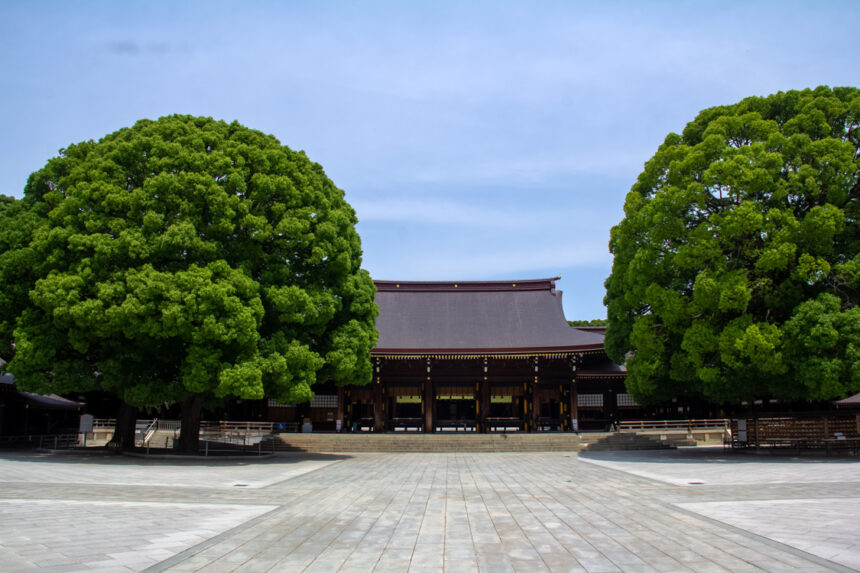
Meiji Shrine

Shinto shrineShibuya, Daikanyama

Meiji Shrine(Meiji-jingū)

first shrine visit of New Year

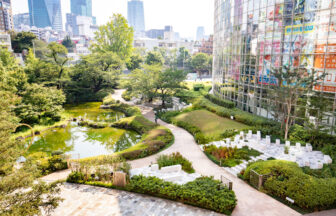
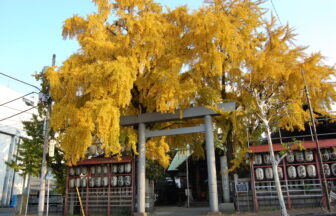
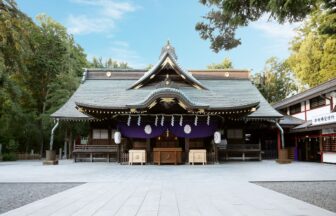
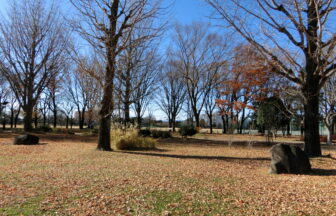
The shrine was founded in 1920 (Taisho 9) with Emperor Meiji and Empress Dowager Shoken as its deities. The shrine’s vast precincts, covering an area of approximately 700,000 square meters, are densely covered with trees, forming a “grove of the village shrine,” which was created by planting approximately 100,000 trees donated from all over the country for the construction of the shrine, and is a purely man-made forest. The shrine is famous for attracting the largest number of visitors to the shrine every year on Hatsumode (New Year’s visit), and a variety of festivals and events are held throughout the year. The temple also has a garden, museum, cafes, and other facilities, making it an oasis in the metropolis and one of Tokyo’s most popular tourist destinations for many people.

Spot OutlineOutline

address (e.g. of house) 1-1 Yoyogi-Kamizonocho, Shibuya-ku, Tokyo
Access 1 min. from JR Harajuku Station, 5 min. from JR Yoyogi Station, 1 min. from Meiji-jingumae Subway Station, 5 min. from Kitasando Subway Station, 3 min. from Sangubashi Station on Odakyu Line

phone 03-3379-5511
Business Hours Sunrise (opening gate) – sunset (closing gate) (hours vary each month)
regular closing day nashi (Pyrus pyrifolia, esp. var. culta)
External Links

Official Web Site

Founding and opening of business 1920 (Taisho 9)

新着・おすすめ情報

  1. day of the ox in midsummer (during the hottest season)

  2. Chinzan Villa

  3. Sanja Festival (Asakusa Shrine in Tokyo; third weekend of May)

  4. With 670 years of history, yet unafraid of change. Shioze Sohonke” continues to innovate ambitiously.

  5. You can do it by yourself! How to tie a yukata obi – Butterfly knot

  6. black formal kimono with designs along the bottom of the skirt worn by married women on ceremonial occasions

  7. Manners for Year-End Gifts for 2023: 3 recommended products and notes on when and how to give them.

  8. Inokashira Onshi Park

  9. Atago Shrine

  10. malted rice

  11. What is the origin of the name “Kintsuba”? How is it written in kanji?

  12. Tokyo Station Hotel (Marunouchi, Tokyo)

  13. double-woven obi

  14. What is the difference between kaiseki ryori and kaiseki cuisine? Explanation of the origin and manners you should know!

  15. Nishimukai Tenjinsha (Shinjuku, Tokyo)