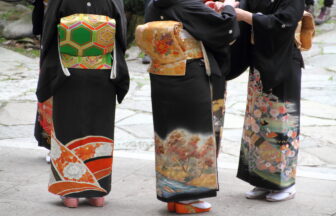
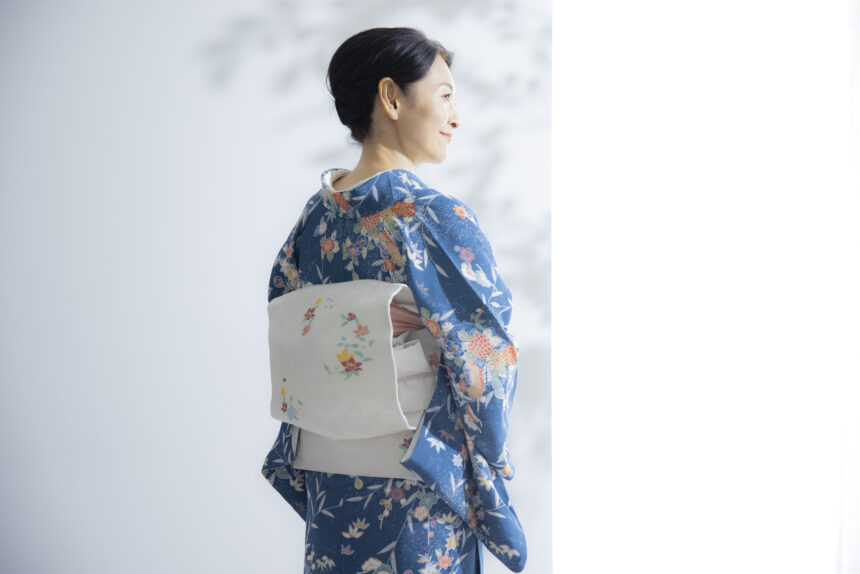
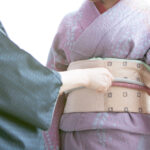
very common way of tying a woman’s kimono sash

Japanese clothing

very common way of tying a woman’s kimono sash(otaikomusubi)

Japanese clothesclothing

One of the ways to tie a woman’s obi. The square area on the back is the “o-daiko,” which is called “niju-daiko” because there are two layers of fabric at the o-daiko when tied with a round or double-breasted obi, and “ippu-daiko” because there is only one layer of fabric with a Nagoya obi. This is the most popular way of tying the obi, and can be done regardless of age, marital status, or marital status. The origin of the name “o-taiko” dates back to the Edo period. It is said that when the Kameido Tenjin drum bridge was rebuilt, the obi tied by geisha looked like a “taiko bridge,” hence the name.
新着・おすすめ情報

  1. part of the palace where important ceremonies were held

  2. What is “Katahira”? What kind of process is it? Words related to Sake

  3. kasuri

  4. What is the difference between “Ginjo-shu” and “Junmai Ginjo-shu”? Words related to sake

  5. Musashi Fuchu Kumano Shrine Tomb (Fuchu, Tokyo)

  6. Horikirishobuen (Horikiri Shobuen, Tokyo)

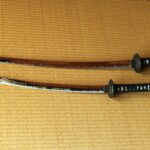
  7. large sword

  8. Four long-established restaurants specializing in nabe cuisine! 4 long-established restaurants specializing in hot pot dishes Let’s enjoy the taste of that famous restaurant by order!

  9. Nezu Shrine (Nezu, Tokyo)

  10. Tanashi Shrine (Tanashi, Tokyo)

  11. Ginza Suze Jizo Son (Ginza, Tokyo)

  12. Shimbashi Tamaki-ya has been in business for 240 years, and serves everything from tsukudani (food boiled in soy sauce) to glaces to add color to Japanese and Western dining tables with its “Hikiku, Gentle, and Warm” service.

  13. How were “Fresh Pack” and “Soup Stock” born? The source of the idea of the long-established dried bonito flakes shop “Nimben

  14. one-piece sash

  15. Tsutanoya” was established in 1937 and supports Japan’s fish-eating culture with its delicious taste. What is “Kyoka-zuke”, an evolution of Saikyo-zuke?