

temple (Buddhist)Ginza (shopping district in Tokyo)
Tsukiji Honganji Temple(Tsukiji honganji-Temple)
gourmetstrolling on the streetimportant cultural property
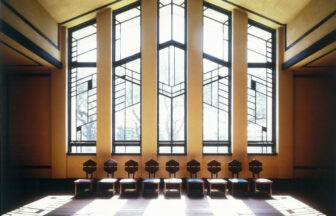
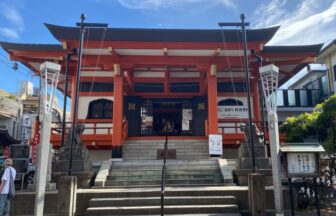
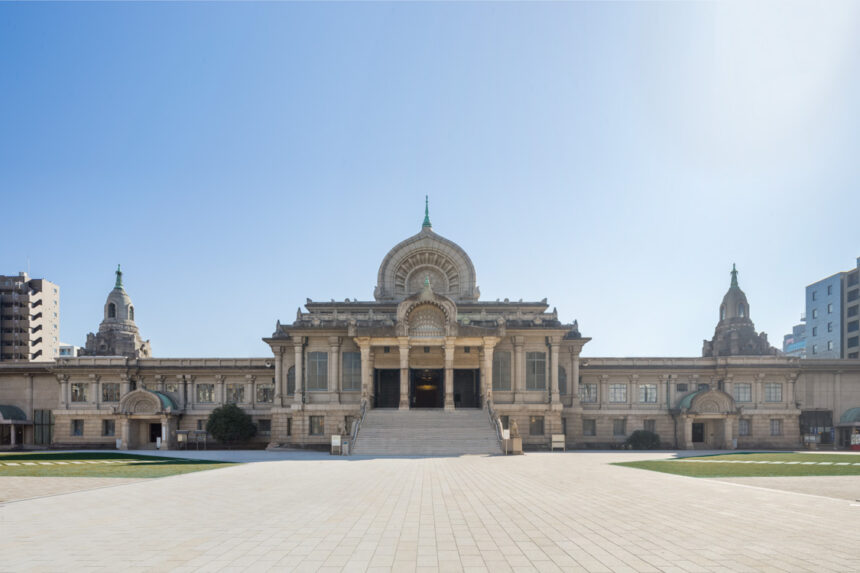
Founded in 1617, the temple was originally located near Asakusa, but was moved to its current location and rebuilt after being damaged in a major fire in 1657. The name “Tsukiji” comes from the fact that the land was reclaimed from the sea and the main hall was built on it. The main hall was destroyed by fire in the Great Kanto Earthquake of 1923, but was rebuilt in 1934. The reconstructed main hall is a reinforced concrete structure in the ancient Indian architectural style, and is designated as a National Important Cultural Property. Various events are held throughout the year, and there are accommodations, a Japanese restaurant, and a café on the grounds.
Spot OutlineOutline
| address (e.g. of house) | 3-15-1 Tsukiji, Chuo-ku, Tokyo |
|---|---|
| Access | Directly connected to Exit 1 of Tsukiji Subway Station, 5 minutes from Shintomicho Subway Station, 5 minutes from Higashi-Ginza Subway Station, 5 minutes from Tsukiji Ichiba Subway Station |
| phone | 0120-792-048 |
| Business Hours | 6:00-16:00 (main hall visiting hours) |
| regular closing day | nashi (Pyrus pyrifolia, esp. var. culta) |
| External Links | |
| Founding and opening of business | 1617 (3rd year of the Genna era) |