ratio indicating the quantity of polished rice gained from a given quantity of brown rice (nowadays usually expressed as a percent)

Sake & Tea

ratio indicating the quantity of polished rice gained from a given quantity of brown rice (nowadays usually expressed as a percent)(seimaibuai)

Japanese rice wine

The percentage of rice remaining after the surface layer of brown rice is removed, expressed as a percentage. For example, a milling ratio of 60% means that 40% of the top layer of brown rice is removed. Edible rice is white rice with a milling ratio of about 92%, while rice used for sake is generally white rice with a milling ratio of 75% or less. Furthermore, for daiginjo, the ratio is 50% or less. In sake brewing, the surface layer of rice is considered to be the source of miscellaneous flavors, and the unnecessary surface layer is polished so as not to spoil the sake’s aroma. Sake with a low rice polishing ratio is clear and easy to drink, while sake with a high rice polishing ratio offers richness, umami, and depth of flavor.

新着・おすすめ情報

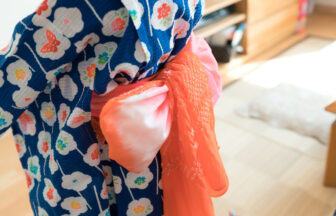
  1. very common way of tying a woman’s kimono sash

  2. Lady Gaga is a fan! The beauty of the braided cord culture by Ryu Kobo, which has been in business for over 130 years.

  3. soldier’s overalls

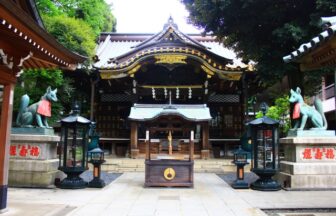
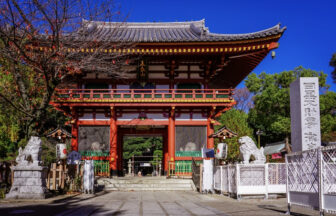
  4. Toyokawa Inari Tokyo Betsuin (Akasaka, Tokyo)

  5. Kansai-style sushi (esp. pressed sushi, such as battera)

  6. Bodhi yeast mash starter

  7. Bon Festival gifts

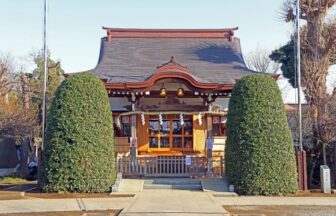
  8. 徳丸北野神社(東京・板橋)

  9. light crimson (dye)

  10. purity

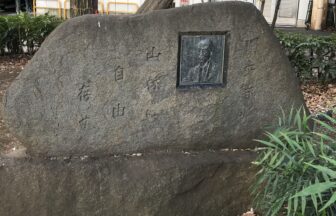
  11. Monument to Kunikida Doppo (Mitaka, Tokyo)

  12. What is the origin of the word “toji” in sake brewing? Words related to sake

  13. The difference between a yukata used as pajamas and a yukata worn to a fireworks display, which only a Japanese person can understand.

  14. Gokokuin Taisenji Temple (Meguro Fudo Temple)

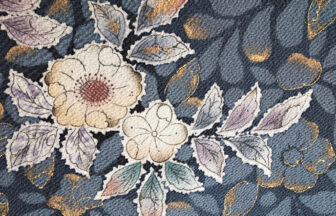
  15. (silk) crepe