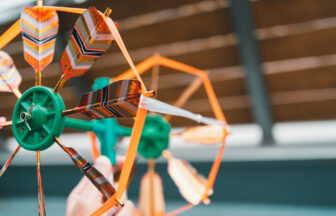
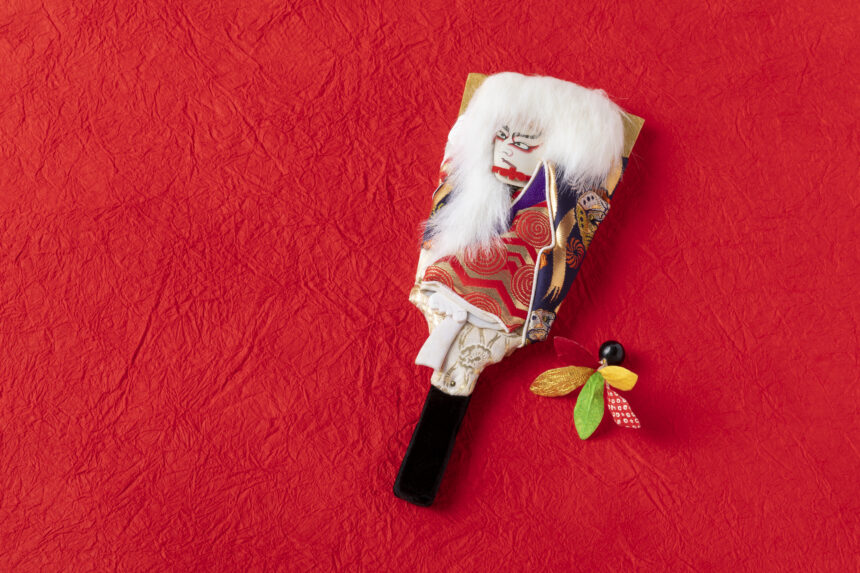
battledore (early form of badminton racket)

puppet

battledore (early form of badminton racket)(Hagoita)

New Year

Originating as a New Year’s game and a tool to ward off bad luck at court, it gradually became one of the New Year’s decorations. Especially on the first New Year’s day of girls, the custom of presenting a beautiful feather board as a gift to ward off bad luck and to wish for their healthy growth was born. In the Edo period (1603-1867), however, the decoration of Hagoita became more colorful, and there was an increase in the number of variations from courtly events, such as the first sunrise of the New Year, cranes and turtles, treasure hunters, flowers and birds, and other auspicious and beautiful objects. In addition, oshie (three-dimensional pictures made of Japanese paper or cloth) depicting flowers, birds, Kabuki, Noh, and kyogen (Noh plays) became popular.

新着・おすすめ情報

  1. Sekiguchi Bashoan (Waseda, Tokyo)

  2. stem

  3. Hanamaki soba

  4. Bank of Japan

  5. rice cake with bean paste wrapped in a preserved egg

  6. What is “Arabashiri”? Words related to Sake

  7. gelidium jelly strips (made from agar-agar)

  8. Denmacho Prison Residence Site (Jushikouen)

  9. Fukutoku Shrine Meibuki Inari (Nihonbashi, Tokyo)

  10. Ubukeya, a long-established cutlery shop with 240 years of history

  11. method of patterning traditional Japanese clothing (the tops of all of patterns being pointed downwards)

  12. A Walk in Edo with Old Maps] No. 6: Kagurazaka is full of historical attractions. From alleys where you can feel the Edo period to wooden buildings of the Showa period

  13. Shinjuku Suehirotei (Shinjuku, Tokyo)

  14. Asakusa 1 Day Sightseeing Plan] Tour Asakusa’s long-established shops! 5 spots where you can feel history and tradition

  15. Ningyocho Shinota Sushi Head Office, a long-established sushi restaurant serving inari sushi. What changes with the times, and what never changes.