

temple (Buddhist)Meguro, Setagaya
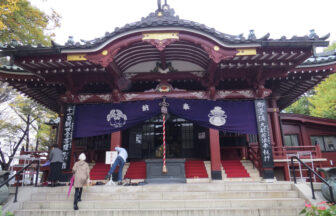
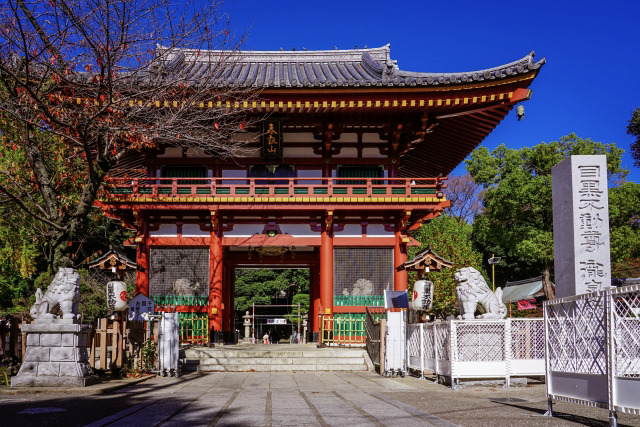
Gokokuin Taisenji Temple (Meguro Fudo Temple)(Gokokuin Ryusen-ji )
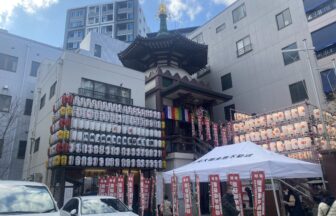
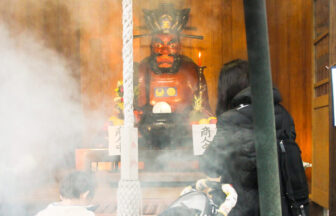
Founded in 808 (Daido 3) by Jikaku Daishi Ennin, it is the oldest sacred site for Fudo in the Kanto area and is designated as one of the three major Fudo in Japan. The main deity, Fudo Myoo, is a precious hidden Buddha that is opened only once every 12 years in the year of the rooster. There is a magnificent waterfall in the precincts of the temple, which is said to have been flowing without drying up since the temple was founded. On the 28th of every month, the Fudo Ennichi, visitors can enjoy a lively atmosphere with many stalls. There are various theories, but it is said that the name “Meguro” comes from the Meguro Fudoson.
Spot OutlineOutline
| address (e.g. of house) | 3-20-26 Shimo-Meguro, Meguro-ku, Tokyo |
|---|---|
| Access | 12 minutes from Tokyu Line Fudomae Station, 20 minutes from JR Meguro Station |
| phone | 03-3712-7549 |
| Business Hours | Visiting the temple is from 9:00 to 17:00 |
| regular closing day | nashi (Pyrus pyrifolia, esp. var. culta) |
| External Links | |
| Founding and opening of business | 808 (3rd year of Daido) |