

Cemeteries and cemeteriestemple (Buddhist)Meguro, Setagaya
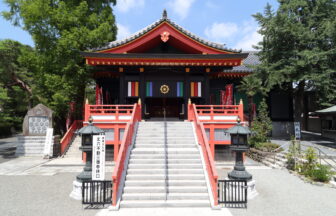
Gotokuji Temple (Setagaya, Tokyo)(Gotokuji-Temple)
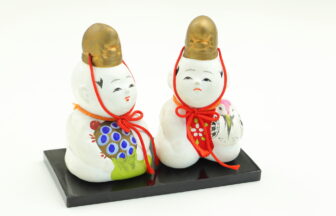
Ii Naosukefigure of a cat with one paw raised (usu. white porcelain)walk
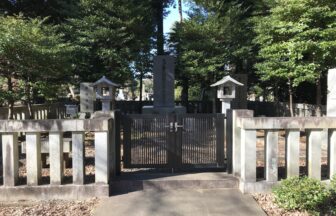
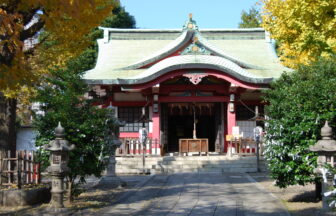
This temple is known as the birthplace of beckoning cats, and was built in 1480 as the family temple of the Ii family, the lords of the Hikone domain, in Edo. It is said that Naotaka Ii, the second generation of the Ii family, was beckoned by a cat in front of the temple gate and escaped a thunderstorm, thus helping to rebuild the temple. The tomb of Ii Naosuke, a great elder of the Ii family at the end of the Edo period, is located in the temple’s spacious precincts, and the temple also houses cultural properties related to the Ii family. The beckoning cats lined up in a row in the hall of beckoning fortune, where “beckoning cat children” are enshrined, is a spectacular sight.
Spot OutlineOutline
| address (e.g. of house) | 2-24-7 Gotokuji, Setagaya-ku, Tokyo |
|---|---|
| Access | 5 minutes walk from Miyanosaka station on Tokyu Setagaya line, 15 minutes walk from Gotokuji station on Odakyu line |
| phone | 03-3426-1437 |
| Business Hours | 6:00-18:00 (from late March), 6:00-17:00 (from late September) *Reception at the temple office is from 8:00-16:30 (17:00 in summer) |
| regular closing day | nashi (Pyrus pyrifolia, esp. var. culta) |
| External Links | |
| Founding and opening of business | 1480 (12th year of civilization) |