Zen monk, 1200-1253

Japanese confectionery

Zen monk, 1200-1253(DOMYOJI)

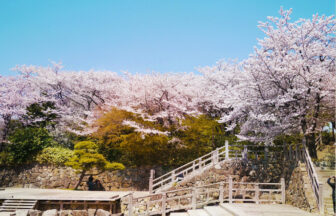
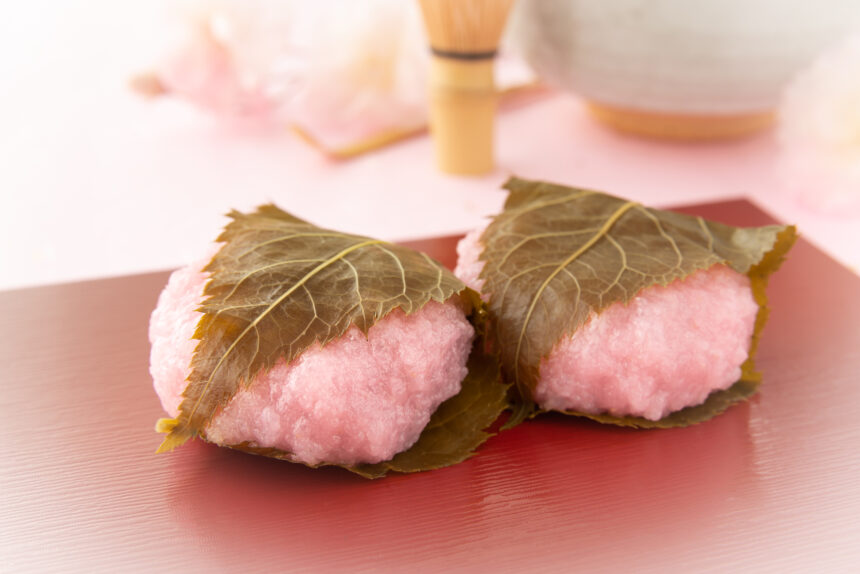
mochi (glutinous rice or other grain, sticky enough to make mochi rice cakes)springrice cake with bean paste wrapped in a preserved cherry leaf

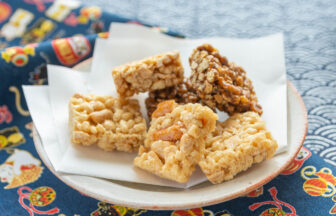
A Japanese confectionery made from domyoji flour. Domyoji flour is made from glutinous rice that has been steamed, dried, and coarsely ground, and when sugar is added to it and steamed, the result is a dough with a grainy texture. It is mainly used to make sakura-mochi (cherry blossom cake). Domyoji flour is said to have been first made at Domyoji, a nunnery in Fujiidera City, Osaka Prefecture. At that time, it was used as a storable food, softened and eaten by pouring water or boiling water over it.
新着・おすすめ情報

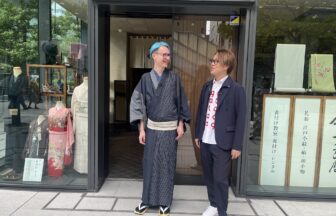
  1. 【老舗ご当主・識者と歩く】日本推しラトビア人アルトゥルさんと虎ノ門−新橋の老舗をめぐる

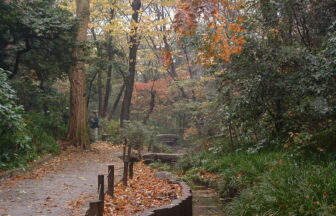
  2. Otomeyama Park (Takadanobaba, Tokyo)

  3. revitalization

  4. eel-liver soup

  5. Why is “Koinobori” carp? The reason is said to be based on Chinese folklore.

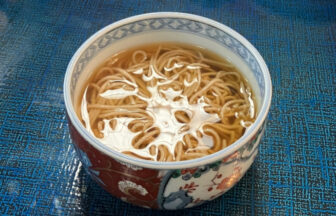
  6. 【第11回】江戸時代に生まれた「かけそば」の起源

  7. Asukayama Park

  8. Interview with Kotaro Ishikawa of Ishikawa Tortoiseshell Works, a company that connects traditional Edo tortoiseshell techniques and further promotes the Edo Tokyo brand .

  9. What are the characteristics of “Yamada-Nishiki” rice for sake brewing? Words related to sake

  10. ratio indicating the quantity of polished rice gained from a given quantity of brown rice (nowadays usually expressed as a percent)

  11. Nihonbashi Kuroeya deals in lacquerware from all over Japan. Protecting the goodwill through innovation, not single-mindedness.

  12. (sound of) the wind through pine trees

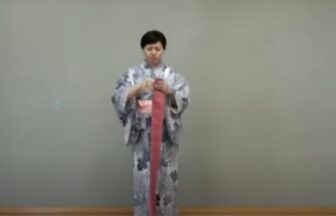
  13. You can do it yourself! How to Tie a Yukata Obi – Bunko Knot

  14. Points to keep in mind when going out on a rainy day. Handling of umbrellas, considerations on trains and visiting places, etc.

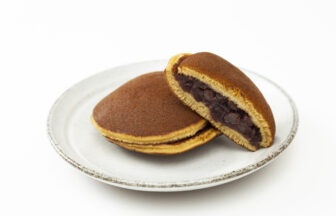
  15. Japanese dessert consisting of two slices of kasutera (sponge cake) with red bean jam in between