

Shinto shrineIidabashi/Kagurazaka
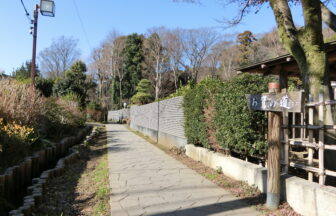
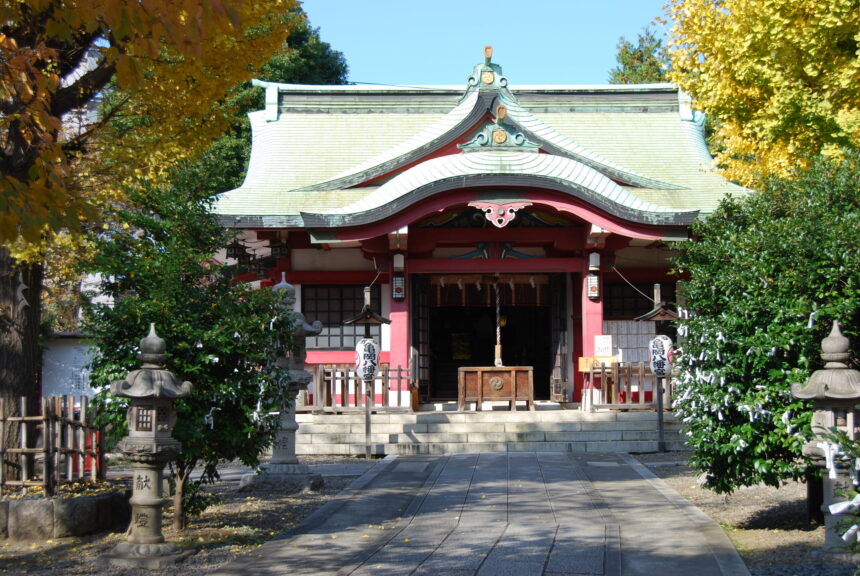
Ichigaya Kameoka Hachiman Shrine (Ichigaya, Tokyo)(Ichigaya kamegaoka hachimangu)
Pet PrayerOta Do-shuhou era (1260.4.13-1261.2.19)walk
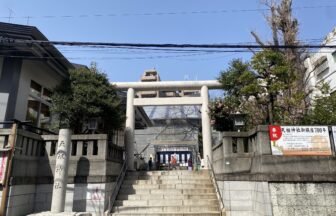
It is said that the shrine was originally built in 1479 by Ota Dokan, a general active in the late Muromachi period (1336-1573), who enshrined a spirit from Tsurugaoka Hachiman-gu Shrine in Kamakura as a guardian deity to the west when he built Edo Castle. The shrine was named Kameoka Hachimangu Shrine in contrast to Tsuruoka, and was revered by the third shogun, Tokugawa Iemitsu, and Keishoin. The shrine’s treasure, a military fan made by Ota Doukan, is a cultural asset of Shinjuku City, and the only copper torii gate (about 5 m high) in the city, built in 1804, can also be seen. The shrine is famous for pet protection and pet prayers.
Spot OutlineOutline
| address (e.g. of house) | 15 Ichigaya-Hachiman-cho, Shinjuku-ku, Tokyo |
|---|---|
| Access | 3-5 minutes walk from JR/Subway Ichigaya Station |
| phone | 03-3260-1868 |
| Business Hours | 5:00-17:00 (when the main shrine is open) |
| regular closing day | nashi (Pyrus pyrifolia, esp. var. culta) |
| External Links | |
| Founding and opening of business | 1479 (11th year of civilization) |