

Inari Onio Shrine (Shinjuku, Tokyo)(Inari Kiou Shrine)
vegetables pickled in sake leesSeven Gods of FortuneInari (god of harvests, wealth, fertility, etc.)
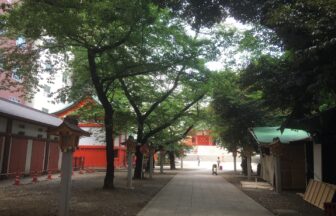
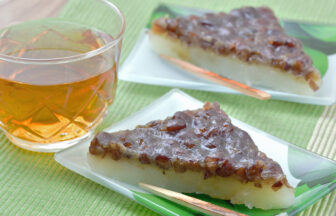
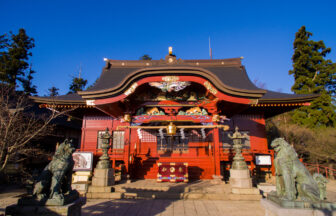
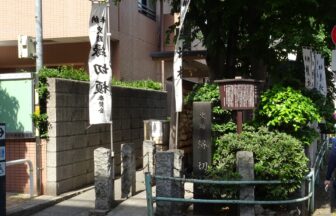
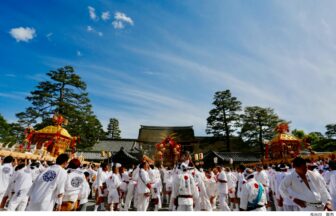
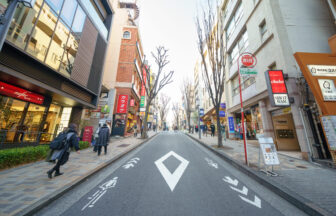
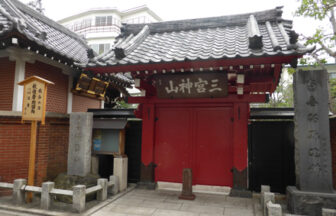
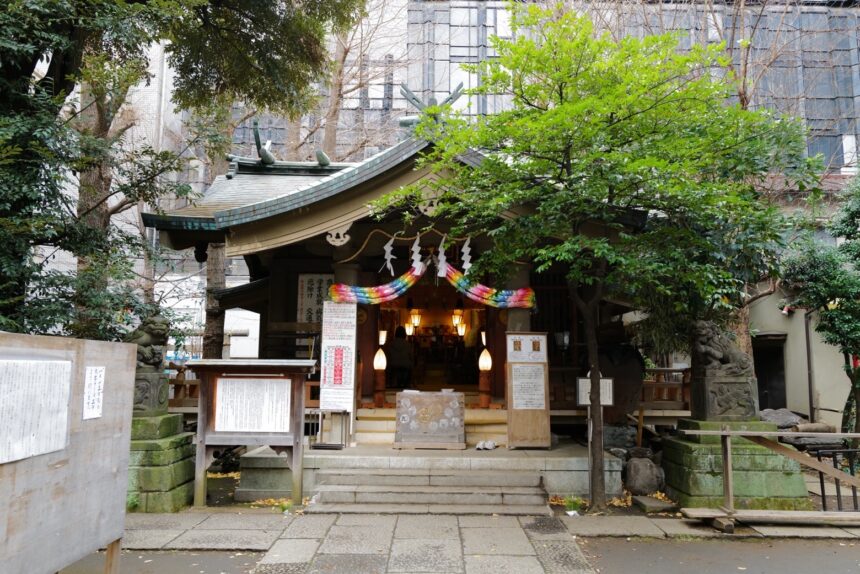
The only shrine in Japan with the name “Onio” (demon king) stands in downtown Shinjuku’s Kabukicho district. In 1832, Inari God, who was the clan deity of Okubo Village, and Onio Gongen, who was invited from Kumano, were enshrined together, and the shrine was worshipped as a shrine for the bestowal of blessings by demons. Onio-gongen is said to be effective in healing eczema, boils, and other illnesses. Mishima Shrine, enshrined in the precincts of the shrine, enshrines Kotoshironushi no Mikoto (Ebisu-sama) and is one of the “Seven Gods of Good Fortune in Shinjuku Yamanote. On October 19 and 20 every year, a betara festival is held in the precincts of the shrine, which is crowded with people buying betara-zuke (pickles).
Spot OutlineOutline
| address (e.g. of house) | 2-17-5 Kabukicho, Shinjuku-ku, Tokyo |
|---|---|
| Access | 3 minutes from Higashi-Shinjuku Subway Station, 7 minutes from Seibu-Shinjuku Station on Seibu-Shinjuku Line |
| phone | 03-3200-2904 |
| Business Hours | 9:00~17:00 |
| Founding and opening of business | 1832 (the 3rd year of Tempo) |