Inari Onio Shrine (Shinjuku, Tokyo)

Shinto shrineShinjuku, Nakano

Inari Onio Shrine (Shinjuku, Tokyo)(Inari Kiou Shrine)

vegetables pickled in sake leesSeven Gods of FortuneInari (god of harvests, wealth, fertility, etc.)

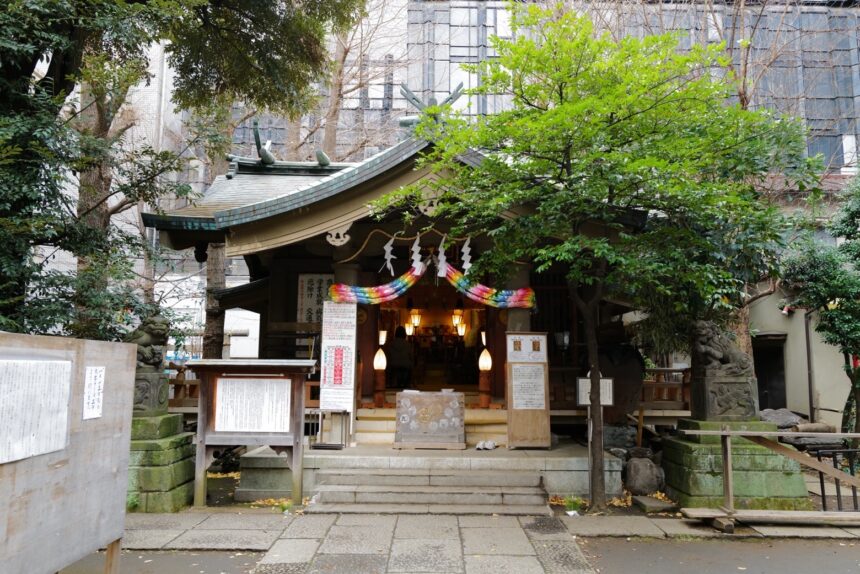
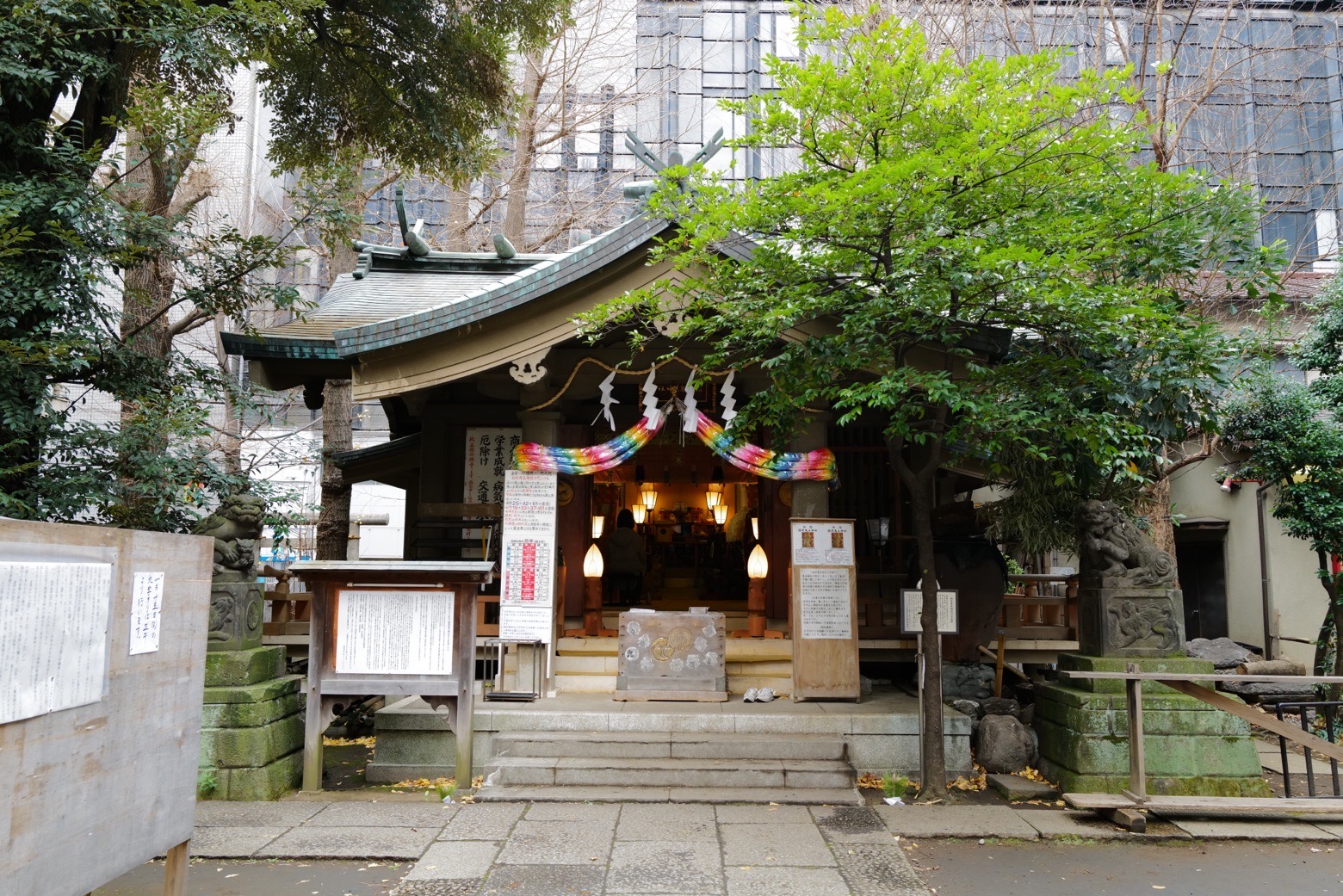
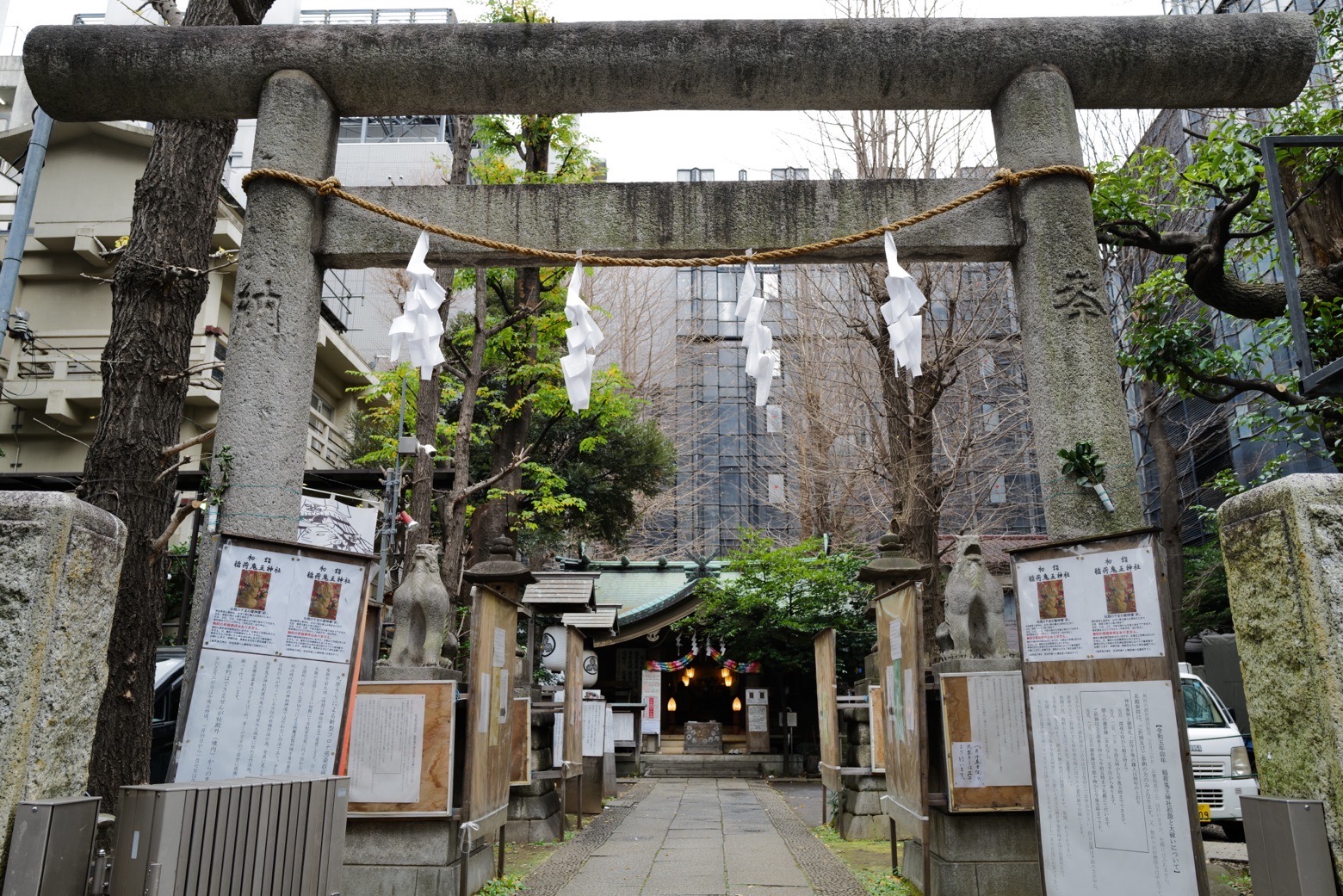
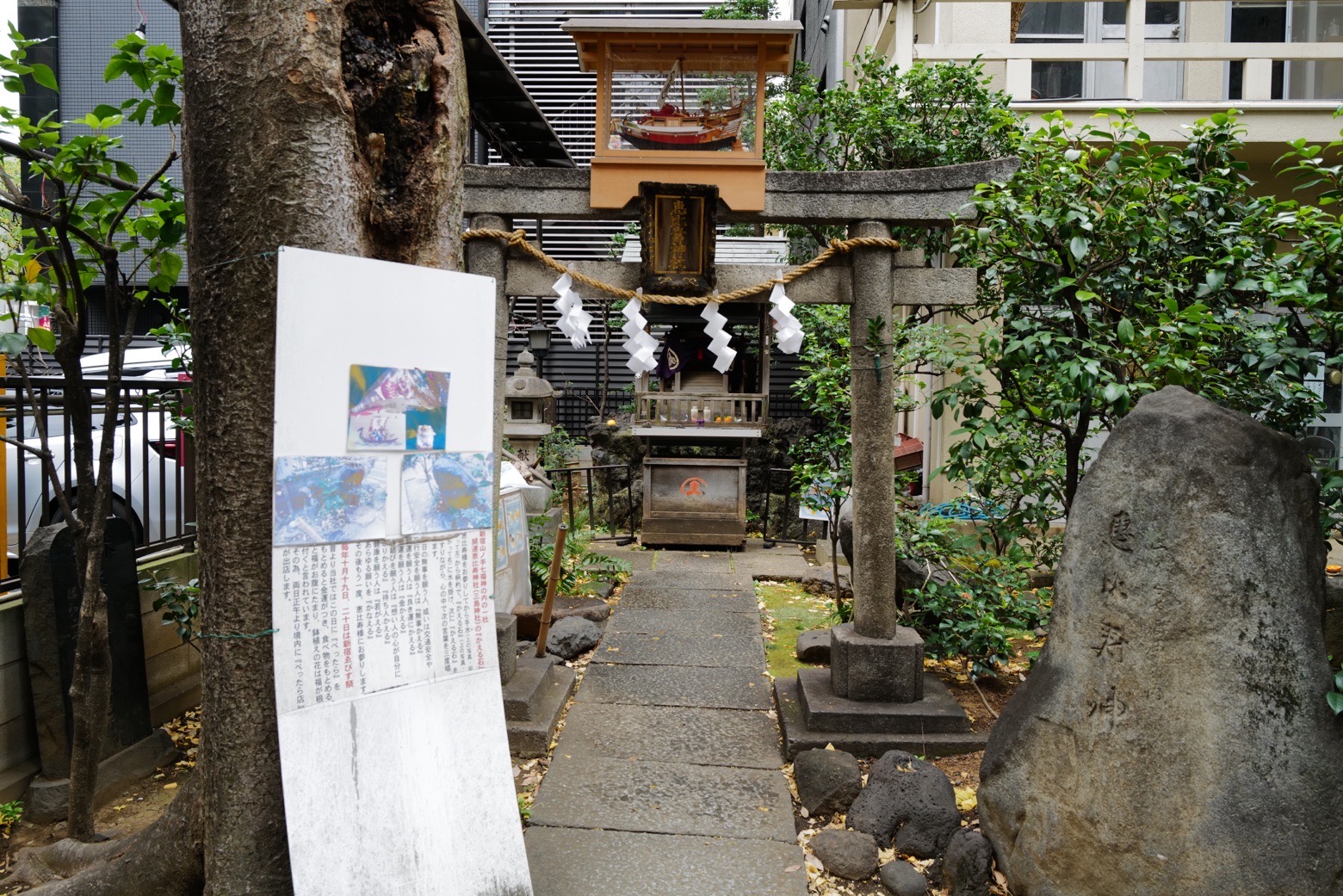
The only shrine in Japan with the name “Onio” (demon king) stands in downtown Shinjuku’s Kabukicho district. In 1832, Inari God, who was the clan deity of Okubo Village, and Onio Gongen, who was invited from Kumano, were enshrined together, and the shrine was worshipped as a shrine for the bestowal of blessings by demons. Onio-gongen is said to be effective in healing eczema, boils, and other illnesses. Mishima Shrine, enshrined in the precincts of the shrine, enshrines Kotoshironushi no Mikoto (Ebisu-sama) and is one of the “Seven Gods of Good Fortune in Shinjuku Yamanote. On October 19 and 20 every year, a betara festival is held in the precincts of the shrine, which is crowded with people buying betara-zuke (pickles).

Spot OutlineOutline

address (e.g. of house) 2-17-5 Kabukicho, Shinjuku-ku, Tokyo
Access 3 minutes from Higashi-Shinjuku Subway Station, 7 minutes from Seibu-Shinjuku Station on Seibu-Shinjuku Line

phone 03-3200-2904
Business Hours 9:00~17:00
Founding and opening of business 1832 (the 3rd year of Tempo)

新着・おすすめ情報

  1. Expressing a unique taste using ingredients that can be found anywhere. The long-established Kimuraya Honten Ningyo-yaki store’s commitment to quality

  2. well-established

  3. What is nigori sake? There are multiple types and flavors of nigori sake.

  4. How were “Fresh Pack” and “Soup Stock” born? The source of the idea of the long-established dried bonito flakes shop “Nimben

  5. buckwheat mash (buckwheat flour in hot water served with shoyu)

  6. pongee (soft thin cloth woven from raw silk)

  7. Seiro soba (buckwheat noodles)

  8. A Walk in Edo with Old Maps] No. 2: Kyobashi and Ginza from the Edo Period to the Heisei Era Traced by Rivers

  9. Tips for enjoying “summer kimonos” in a cool and fashionable way.

  10. Kimono can be re-tailored and reused as a haori or obi. Kimono is the ultimate SDGs costume.

  11. Chidorigafuchi (fountainhead)

  12. Sensoji Temple

  13. soba cup

  14. Ubukeya, a long-established cutlery shop with 240 years of history

  15. kimono wrapping paper