The ninth generation of a long-established soba restaurant teaches how to boil and taste truly delicious soba noodles

Azabu, Akasaka, Roppongisoba

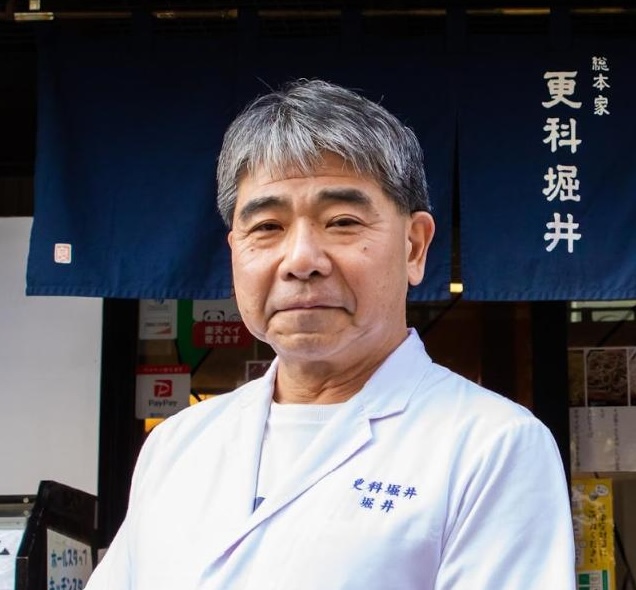
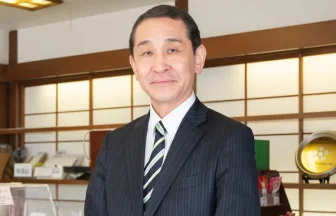
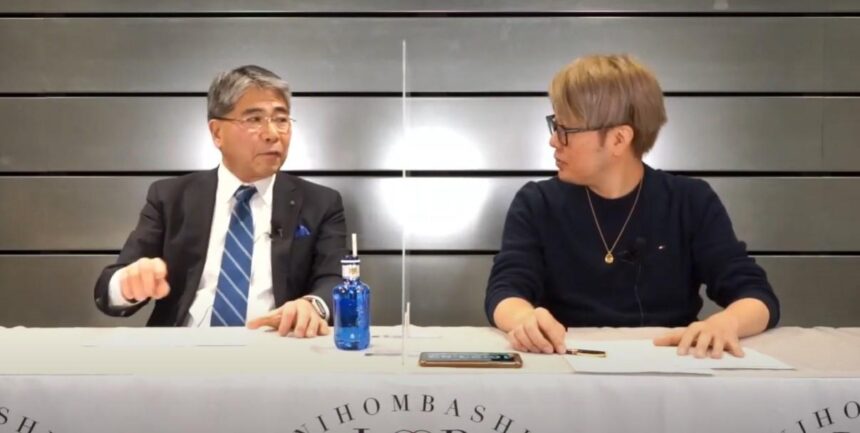
Sohonke Sarashina Horii is a buckwheat noodle restaurant that opened its doors in the first year of the Kansei Era with the sponsorship of a lord. While maintaining the commitment of a long-established restaurant, Sarashina Horii is also eagerly opening new restaurants overseas. We asked Yoshinori Horii, the ninth generation owner, about the secret of their signature soba sauce, which should be enjoyed at the temperature of red wine, and Sarashina soba, which was made pure white in order to be presented to the feudal lord.

first partContinued from

Hayashi: Do you have any secret to boil soba noodles well?

Mr. Horii: It is said that “soba leaves its core. If you compare it to pasta, it is al dente. But our father used to tell us that it is a shame to boil soba before it is cooked.

Hayashi: What do you mean?

Mr. Horii: The point is to boil them thoroughly, and don’t leave a core. Instead, wash them thoroughly and tighten them up. By cooking the soba properly, removing the sliminess, and cooling it thoroughly, the soba becomes firm and square. It is said that the firmness of soba is not something that is present, but something that stands up. Therefore, I think it is important to boil soba well, wash it well, and cool it down.

Hayashi: Is there a trick to chilling?

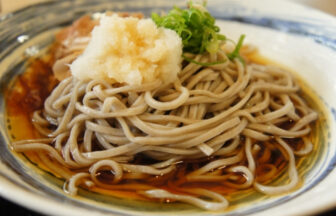
Mr. Horii:When washing soba, I think it is best to use running water and cool them in ice water at the end. Our bucket for washing soba is designed to hold ice cubes. The best way to enjoy cold soba is to dip it in room-temperature soba sauce, which is about the size of red wine, and slurp it up.

Hayashi: So the key is that the temperature is about the same as red wine.

Mr. Horii: On the contrary, if the otsuyu is cold and the soba is lukewarm, I am disappointed.

Hayashi: Do you mean that the aroma is more likely to develop when the sauce is close to room temperature?

Mr. Horii:That’s right. We are also particular about our otsuyu. We use very thick dried bonito flakes and boil them down. We then add a blend of sugar and soy sauce called nikaeshi, which is quite thick. It is quite thick, but the flavor is concentrated. You dip it in the mixture, slurp it up, and eat it. I think that is the way to eat soba. The aroma of soba is not released through the nose, but in the mouth. For example, when tasting wine, you smell it through your nose and then inhale it through your mouth. Soba’s aroma is to be enjoyed in the mouth, just like wine. For this reason, we recommend that our customers eat soba after dipping it in a little bit of otsuyu, which has a concentrated flavor, and slurping it down.

Hayashi: Would you say that is a characteristic of Edo-mae?

Mr. Horii:Yes. Dark dried bonito flakes, soy sauce, sugar, and mirin are seasonings that developed locally in the Kanto region. When these ingredients were combined with soba (buckwheat noodles), the dipping and slurping became a way of eating soba that is rarely seen anywhere else in the world. I don’t think it is very common to dip noodles in dipping sauce and then slurp it up. It is a rare way of eating noodles, even in the world.

Hayashi: Japanese culture is very sophisticated. Each restaurant has developed its own original way of eating soba with its own aroma. Even just looking at the combination of soba and otsuyu, there are many variations.

The Concept of “Brand” in Long-established Businesses

Hayashi: Could you also talk about what Sarashina-Horii-san considers a “brand”?

Mr. Horii: It’s not easy. …… I am the ninth generation, and both my father and grandfather have been in the buckwheat noodle business for a long time. So there are many customers who have been coming to our restaurant for a long time. The reason why they keep coming back is because they say, “Because Sarashina Horii, you can trust us. They trust us because of our taste, service, and atmosphere. I think this is a major factor in establishing the Sarashina-Horii brand.

Hayashi: Not only the trust of our customers, but also the fact that we have long-standing relationships with various long-established stores shows that we are trusted by those stores as well.

Mr. Horii: This business is not something that can be done by just one house. We have been in this business since the Edo period, so we use soba knives made by our friend Ubukeya and dried bonito flakes made by Nimben. It can be said that we have “built a culture” together with our long-established friends.

Hayashi: The fact that you have all continued to exist without changing means that Sarashina-Horii is able to provide its fans with the taste of Sarashina-Horii. But you also mentioned that there have been changes and innovations over time.

The taste of soba and otsuyu is passed on as DNA.

Mr. Horii:Yes. For example, I grew up with my father’s otsuyu and my son grew up with mine, but that doesn’t mean that I make the same otsuyu as my father. The taste of soy sauce and dried bonito flakes are different, and the milling method of soba noodles is also different. But something like DNA exists, and I assemble it as I go along. So my son probably won’t make the same otsuyu as I do, but he still grew up with my otsuyu, so I think he will make something based on that DNA. That, in other words, could be called tradition and innovation in restaurants.

Hayashi: There is a taste that has been passed down from father to father for generations as an unchanging backbone, and it is how I interpret it.

Mr. Horii: Yes, we are all children of our times.

Hayashi: I also have a question about sobayu. Sarashina Horii’s sobayu with sobayu (buckwheat shochu) is very tasty.

Mr. Horii:We make ours by hand, so we get a little bit of chips, so we boil them.

Hayashi: What is regular sobayu like? Is it light?

Mr. Horii:Sobayu is basically boiled water made from buckwheat noodles, so we don’t dare to make a thicker version. However, if you want to drink shochu with it, we sometimes give you something a little thicker.

Hayashi: In other words, it is made on purpose for shochu splitting.

Mr. Horii:And as for the topic of soba restaurants, “Toshikoshi Soba” served at the end of the year is also indispensable. New Year’s Eve Soba is a culture that originated from the fact that it was loved by Edo people in various ways, such as using buckwheat flour to collect gold dust or for good luck in the old days. That is why I would like everyone today to taste Edo soba at least on New Year’s Eve.

We spoke with Yoshinori Horii, 9th generation Sarashina Horii. Sarashina Horii’s soba can be ordered by mail order, so if you are too far away to come to the store, please try the mail order service.

*If you would like to see this dialogue on video.here (place close to the speaker or where the speaker is)

新着・おすすめ情報

  1. 【木村屋總本店】3月春のお楽しみセット(限定100セット)特別価格で販売中

  2. Hibiya Park

  3. Otomeyama Park (Takadanobaba, Tokyo)

  4. Toranomon Choujiya

  5. The same manufacturing method since the establishment of the company. Interview with Satoru Nakamura, the 7th generation of Shirokiya Nakamura Denbei Shoten, who weaves Edo brooms using craftsmanship passed down from generation to generation .

  6. Selecting the best materials for each application and finishing them with craftsmanship: the pride of the long-established “Edoya”, which has been in business for 300 years, in the creation of brushes and bristle brushes.

  7. Interview with Kotaro Ishikawa of Ishikawa Tortoiseshell Works, which is committed to passing on the traditional techniques of Edo tortoiseshell to the future .

  8. Sayama Seisakusho

  9. Ruins of Ooka Echizenmamori Tadasada’s villa

  10. What is the origin of the word “toji” in sake brewing? Words related to sake

  11. Kanda Miharado

  12. just after fall

  13. Manju, Monaka, Daifuku, etc.: Manners for Eating Wagashi without Worrying about Public Appearances Anymore

  14. large building

  15. Shinjuku Nakamuraya Main Store