Zoshigaya Old Mission Building (Zoshigaya, Tokyo)

historic siteconstructionIkebukuro/Akabane

Zoshigaya Old Mission Building (Zoshigaya, Tokyo) (Zoshigaya Missionary House Museum)

missionaryWooden Western-style buildingRegistered Tangible Cultural Properties

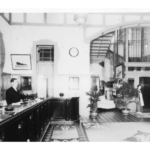
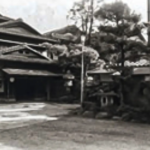
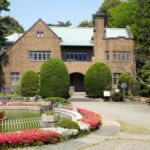
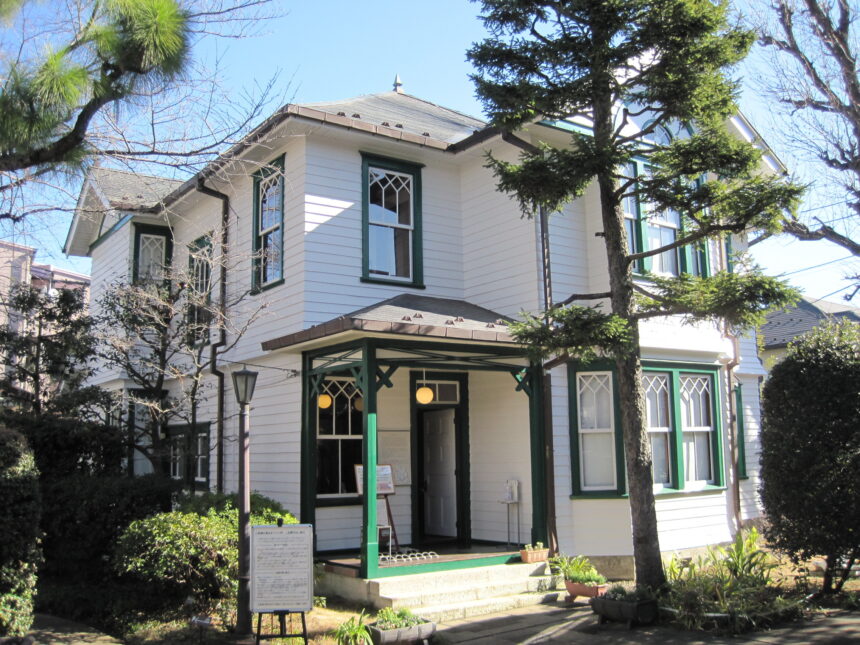
The Zoshigaya Old Missionary House was built in 1907 as a base for missionary activities by American missionary John Moody McCaleb. It is the oldest remaining modern wooden Western-style building in Toshima Ward, and was registered as a Tangible Cultural Property of Toshima Ward in 1987 and as a Tangible Cultural Property of Tokyo in 1999. The exterior is simple and lovely, with white and green as its basic colors. The unique protruding parts of the entrance porch, such as the cane and overhanging windows, are based on the Carpenter Gothic style developed in the United States. On the other hand, the ceiling of the building is decorated with split bamboo, showing the influence of Japanese culture. Visitors can also learn about the McCaleb family, which carried out missionary work from the Meiji period to the early Showa period.

Spot OutlineOutline

address (e.g. of house) 1-25-5 Zoshigaya, Toshima-ku, Tokyo
Access 10 minutes from Higashi-Ikebukuro Subway Station

phone 03-3985-4081
Business Hours 9:00~16:30
regular closing day Monday
External Links

Official Web Site

Founding and opening of business 1907 (40th year of Meiji era)

新着・おすすめ情報

  1. Koami Shrine (Ningyocho, Tokyo)

  2. Yamamoto-Tei (aristocratic group of pious men)

  3. Tokyo Literature Walk] No. 2: From Hongo to Sendagi via Slopes and Alleys, Touring the Former Residences of Modern Literary Greats

  4. soup served at the end of a traditional Japanese dinner

  5. To make swords a part of our daily lives. The future of swords is the goal of Nihon Katana, a long-established sword specialty store.

  6. What is the meaning behind the three colors of “Hishimochi”? Hina Doll Decorations

  7. What are the characteristics of “Yamada-Nishiki” rice for sake brewing? Words related to sake

  8. Kimono is an SDG costume. Unused clothes and tenugui (hand towels) can be used as obi sashes.

  9. being badly influenced by

  10. Eitaro Fuhonshop located at the foot of Nihonbashi Bridge. Traditional techniques and a desire to “create new wagashi

  11. kasuri

  12. Former Residence of Soseki Natsume (Cat’s House)

  13. Ruins of Katsunuma Castle (Ome, Tokyo)

  14. Hanazono Shrine

  15. end of the year