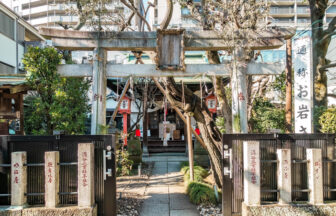
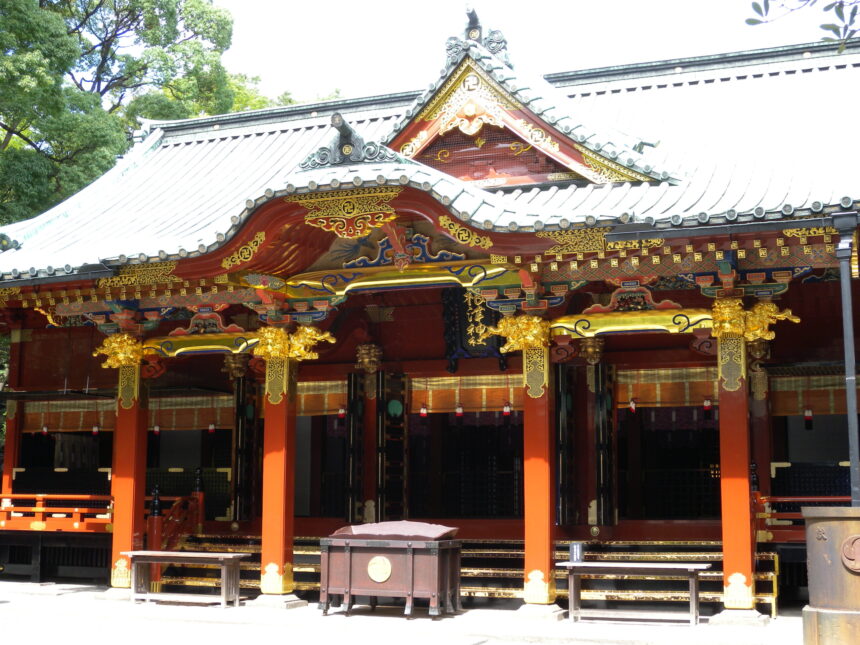
Nezu Shrine (Nezu, Tokyo)

Shinto shrineUeno, Yanaka, Nippori

Nezu Shrine (Nezu, Tokyo)(Nedu Shrine)

azaleaOta Do-shuhou era (1260.4.13-1261.2.19)walkimportant cultural property

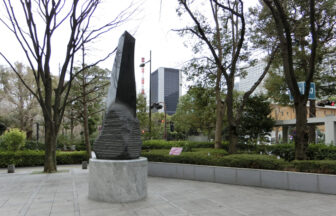
The shrine is said to have been founded about 1,900 years ago in Sendagi by Yamatotakeru no Mikoto, a deity mentioned in the Nihonshoki (the oldest extant chronicle of Japan). Later, during the Bunmei era, the shrine was built by Ota Dokan, a general active in the Muromachi era (1392-1573). In 1705 during the Edo period, the fifth shogun, Tsunayoshi Tokugawa, built the shrine pavilion. The Gongen-zukuri style main shrine building, the hall of offerings, the hall of worship, the Karamon gate, the west gate, the open wall, and the tower gate are all still in existence, and are designated as National Important Cultural Properties. The shrine is also closely associated with great writers such as Soseki Natsume and Ogai Mori. The shrine is also known for its azalea garden, which covers an area of about 2,000 tsubo (about 1,000 m2), and an azalea festival is held there in spring.

Spot OutlineOutline

address (e.g. of house) 1-28-9 Nedu, Bunkyo-ku, Tokyo
Access 5-minute walk from Subway Nezu Station, 5-minute walk from Subway Sendagi Station, 10-minute walk from Subway Todaimae Station, 1-minute walk from Bus Stop Nezu Shrine Entrance

phone 03-3822-0753
Business Hours 6:00-17:00 (Karamon gate opening time. (Maximum 5:00 – 18:00 depending on the season)
regular closing day nashi (Pyrus pyrifolia, esp. var. culta)
External Links

Official Web Site

新着・おすすめ情報

  1. Before the Edo period, “Dedication confectionery” was a top-quality confectionery made with white sugar.

  2. You can do it yourself! How to Tie a Yukata Obi – Bunko Knot

  3. Minamiya Temple (Komagome, Tokyo)

  4. Gansenen Park (Waseda, Tokyo)

  5. Ruins of Suzugamori Penitentiary (Omori, Tokyo)

  6. With 670 years of history, yet unafraid of change. Shioze Sohonke” continues to innovate ambitiously.

  7. Koami Shrine (Ningyocho, Tokyo)

  8. Sarugakuzuka Tomb (Daikanyama, Tokyo)

  9. marks indicating the Japanese meaning of the texts of Chinese classics

  10. eel and cucumber salad, finely sliced, dressed in sake, soy, and vinegar

  11. Shokado bento” is a shortened form of “kaiseki” cuisine. Kaiseki” or “Kaiseki”?

  12. We don’t stick to tsukudani alone. They are also introducing Western flavors and expanding their sales channels. The Challenge of Shimbashi Tamakiya

  13. Meaning of “buckwheat cutter

  14. Shimbashi Tamaki-ya has been in business for 240 years, and serves everything from tsukudani (food boiled in soy sauce) to glaces to add color to Japanese and Western dining tables with its “Hikiku, Gentle, and Warm” service.

  15. He started helping out in the family business as a child and went on to become a part of it. Kimuraya Honten, Asakusa’s oldest doll-shaped yaki store