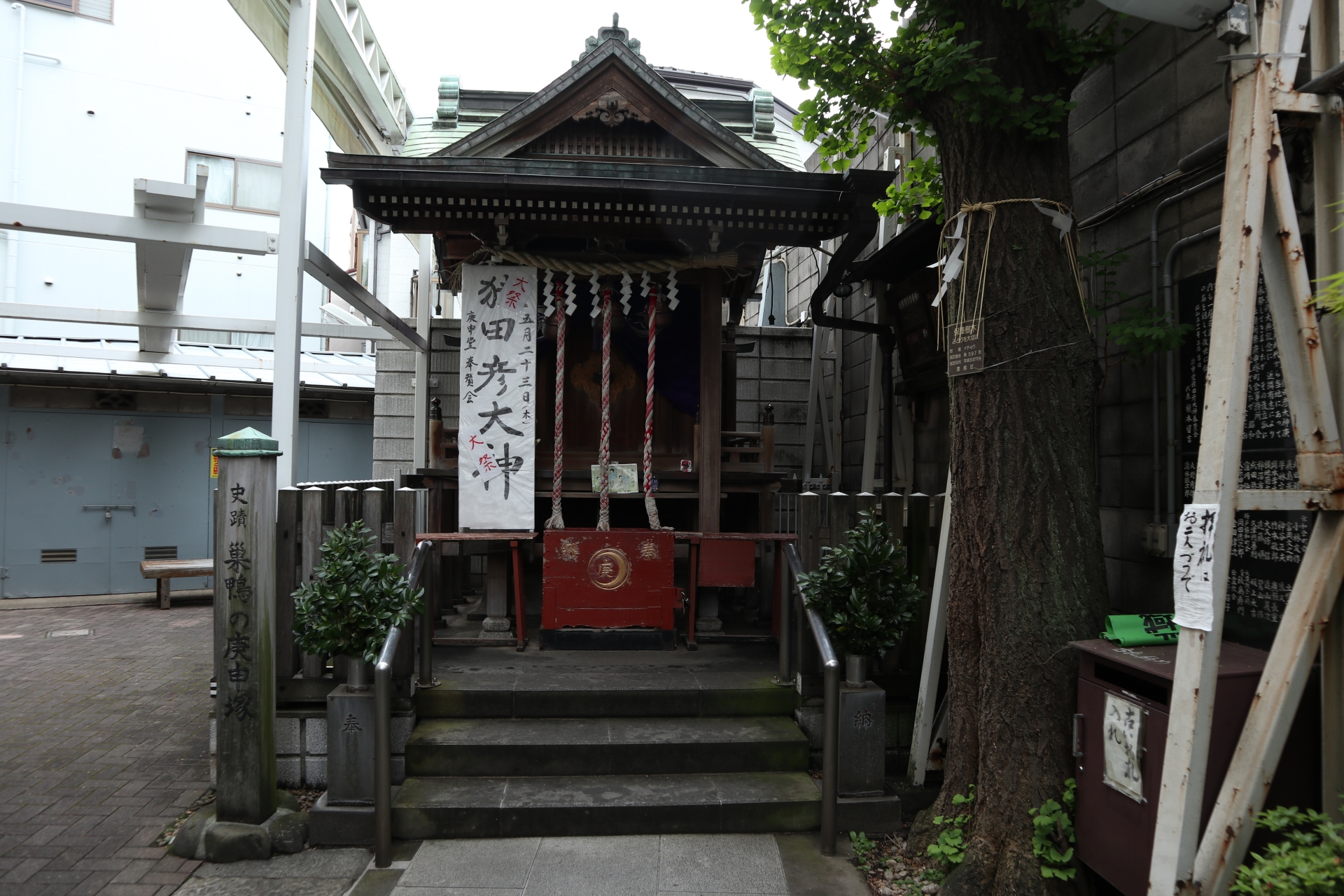
Sugamo Koshinzuka (Sugamo, Tokyo)

historic siteIkebukuro/Akabane

Sugamo Koshinzuka (Sugamo, Tokyo)(Sugamo Koushinzuka)

post townIssa KobayashiHiroshige UtagawaSarutabiko

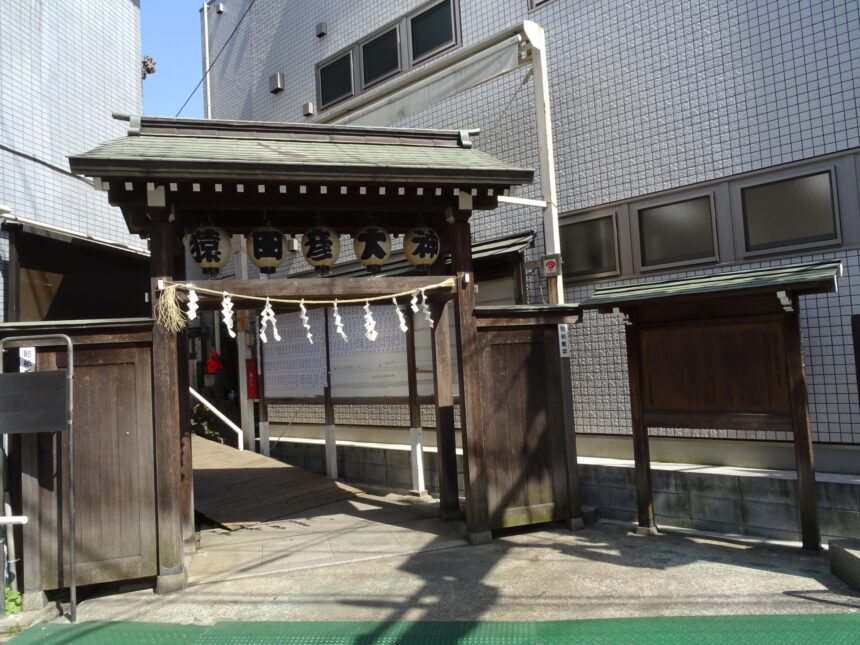
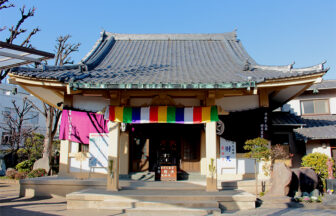
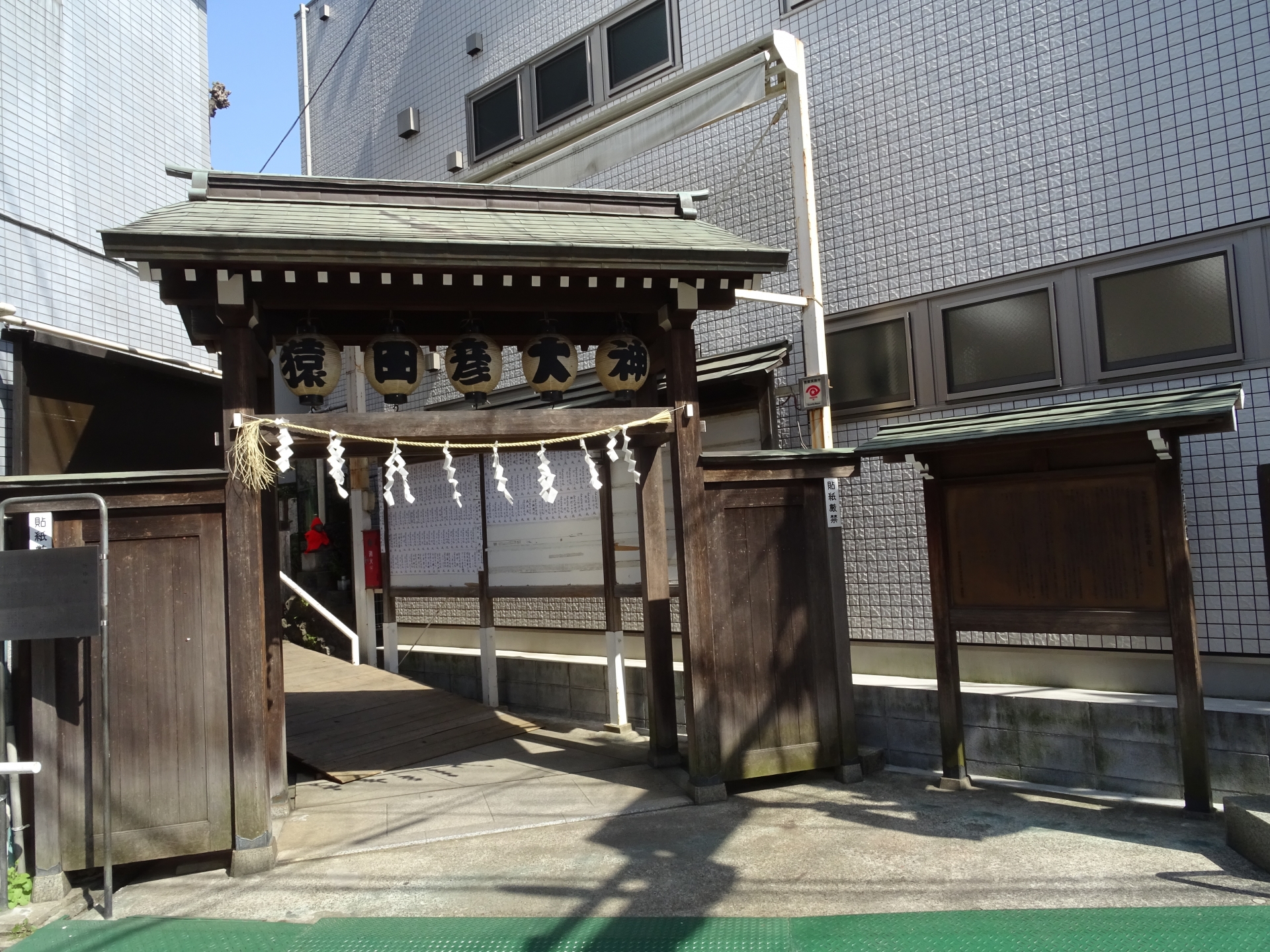
The Koshinzuka of Sugamo is said to have been founded in 1502 when a Koshinzuka (a pagoda for the dead) measuring eight feet high was erected. In the Edo period (1603-1867), the temple was very popular as a resting place for travelers with many teahouses because of its proximity to Itabashi, a post station on the Nakasendo (Highway of Mt. Nakayama). At that time, the Koshinto was also used as a guidepost. It is also depicted in an ukiyoe woodblock print by Hiroshige Utagawa, and there is a poem written by Issa Kobayashi who stopped by the teahouse. Although the pagoda itself does not exist today, there is now a kenshindo (a shrine for the dead), where the deity Sarutahiko, known as the god of the road and the god of travelers, is enshrined.

Spot OutlineOutline

address (e.g. of house) 4-35 Sugamo, Toshima-ku, Tokyo
Access 1 min. from Toden Koshinzuka Station

phone nashi (Pyrus pyrifolia, esp. var. culta)
External Links

Official Web Site

Founding and opening of business 1502 (2nd year of the Bungei Era)

新着・おすすめ情報

  1. Former Residence of Soseki Natsume (Cat’s House)

  2. Namikaze Shrine (Tsukiji, Tokyo)

  3. The taste of soba-tsuyu is the character of the restaurant. What is the taste that Sarashina Nunoya has continued to preserve?

  4. What is the story behind the “Edo fast food” that has been loved for 200 years? Komagata Dozeyu

  5. Myohoji Temple (Higashi Koenji, Tokyo)

  6. Sekiguchi Bashoan (Waseda, Tokyo)

  7. stem

  8. (silk) crepe

  9. arms

  10. Manju, Monaka, Daifuku, etc.: Manners for Eating Wagashi without Worrying about Public Appearances Anymore

  11. Kimuraya Sohonten, a long-established bakery that has inherited the beliefs of its predecessors and predecessors and continues to preserve its taste.

  12. part of the palace where important ceremonies were held

  13. 【老舗ご当主・識者と歩く】日本推しラトビア人アルトゥルさんと虎ノ門−新橋の老舗をめぐる

  14. method of patterning traditional Japanese clothing (the tops of all of patterns being pointed downwards)

  15. Tips for enjoying “summer kimonos” in a cool and fashionable way.