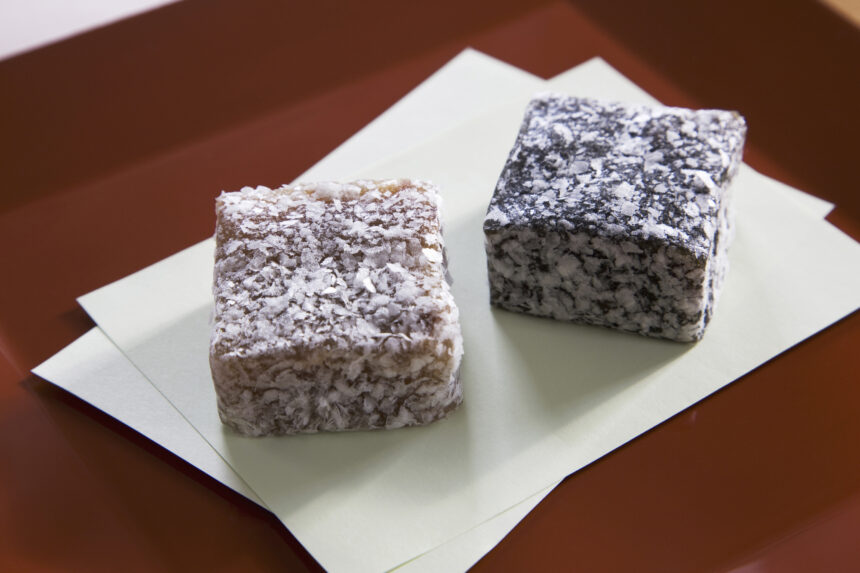
sweet yuzu-flavoured steamed dumpling

Japanese confectionery

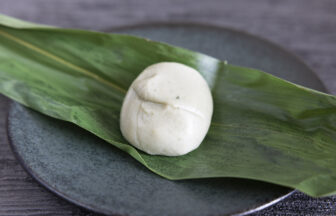
sweet yuzu-flavoured steamed dumpling(Yubeshi)

yuzu (species of aromatic Asiatic citron, Citrus junos)

As the Chinese character for “yuzu mochi zi” indicates, it is made by stuffing glutinous rice flour, miso, soy sauce, sugar, nuts, etc. inside a hollowed-out yuzu citron, steaming it, and then drying it for several months. It is also called “round yuzu mochi zi. Yubeshi is also known as yuzu mochi, and is made by mixing rice flour with yuzu juice, grated peel, miso paste, sugar, and other ingredients, steaming it, and making it into a pole shape, as well as yuzu-flavored gyuhi. Originally, yubeshi was not a confectionery, but a food served at the sake bar during the Muromachi period (1336-1573). It was also recorded in the Edo period book “Ryori Monogatari (Tales of Food Preparation).

新着・おすすめ情報

  1. Kiyosumi Garden

  2. Why do we need Bonbori? Decorating Hina Dolls

  3. What is “Nishiki-Tamago”? What is the origin of its name?

  4. Ruins of Kirishitan residence (Myogadani, Tokyo)

  5. 【第23回】蕎麦屋店主が考える真の蕎麦「通」の定義

  6. Kabuto decorations for Dragon Boat Festival. Models of military commanders from the Warring States period are popular.

  7. Shimbashi Tamaki-ya has been in business for 240 years, and serves everything from tsukudani (food boiled in soy sauce) to glaces to add color to Japanese and Western dining tables with its “Hikiku, Gentle, and Warm” service.

  8. Kamiya Bar, the oldest bar in Japan, well-known for its Denki Bran, and its innovations through the ages.

  9. They also restore ancient musical instruments used in traditional performing arts. Okadaya Fuse’s Struggle to Preserve Traditional Japanese Culture

  10. Japanese Food Manners You Should Know. Sashimi, Sushi, Tempura, Yakimono…… explained by cuisine.

  11. Tokyo Resurrection Cathedral (Nikolaidō Hall)

  12. Yagiri no Ferry (Shibamata ferry terminal)

  13. polearm

  14. Toyokawa Inari Tokyo Betsuin (Akasaka, Tokyo)

  15. lay or stretch out to dry