Ryugenji Temple (Kameido, Tokyo)

temple (Buddhist)Ryogoku/Kameido

Ryugenji Temple (Kameido, Tokyo)(Ryugenji Temple)

Seven Gods of FortuneTendai sect (of Buddhism)upasika (devout female lay follower of Buddhism)walkMatsuo Basho (sect of Zen Buddhism)bush clover

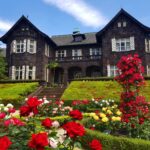
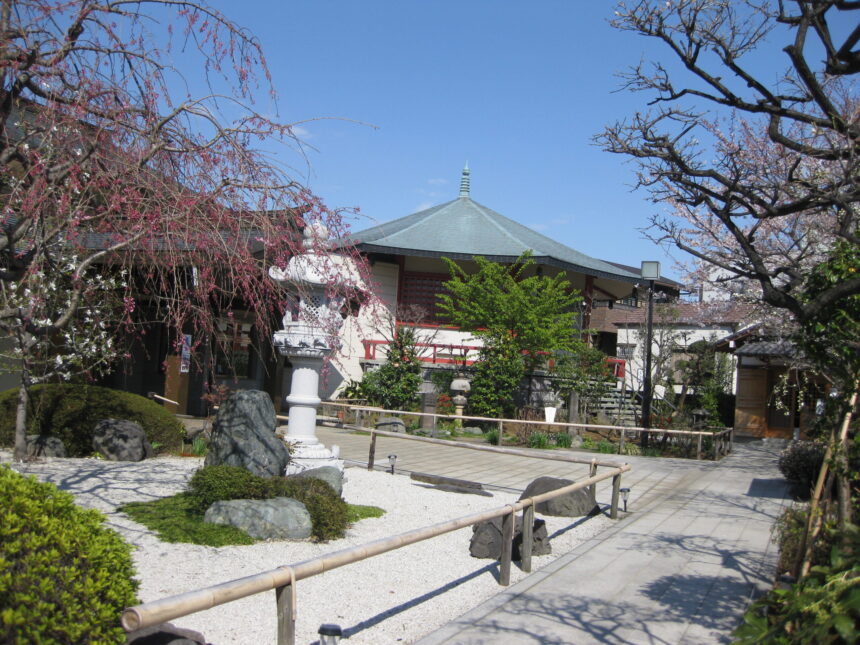
This Tendai Sect temple has its origins in 1395, when the monk Yoshihiro Yamasho enshrined Kannon and named the temple “Jiunsan Muryoin Ryugen-ji Temple. Later, the temple was renamed “Ryugen-ji” (meaning “Dragon’s Eye Temple”) because it was believed to be the “Kannon of healing eye diseases,” and washing one’s face with the temple’s spring water improved one’s eyesight. In the early Edo period (1603-1867), the temple grounds were more than twice as large as they are today, and hundreds of varieties of bush clovers were planted, making the temple commonly known as “Hagi-dera,” a famous spot depicted in the “Edo Meisho Zue” (Illustrated Guide to Famous Places in Edo). In addition to the Hotei Hall, where Hotei, one of the seven gods of good fortune of Kameido, is enshrined, and the Kushinto, a tangible national cultural property, there is a monument to haiku by Matsuo Basho, built in 1872 (Meiji 5), which is the oldest of the 37 such monuments in the metropolitan area.
Photo courtesy of Ryugenji Temple

Spot OutlineOutline

address (e.g. of house) 3-34-2 Kameido, Koto-ku, Tokyo
Access 10 minutes from Oshiage Station on the Keisei Line, 15 minutes from Kinshicho Station on the JR Line

Business Hours 9:00〜16:30
External Links

Official Web Site

Founding and opening of business 1395 (Oei 2)

新着・おすすめ情報

  1. Shiba Grand Shrine (the inner shrine of Ise Shrine)

  2. 【第18回】古くから食べられてきた「そばがき」の作り方

  3. Mori Garden (Roppongi, Tokyo)

  4. Yagiri no Ferry (Shibamata ferry terminal)

  5. Ichigaya Kameoka Hachiman Shrine (Ichigaya, Tokyo)

  6. Tokyo Grand Shrine

  7. dagger

  8. Nogi Shrine (Akasaka, Tokyo)

  9. Katori Shrine, Kameido, Tokyo

  10. Koyasan Tokyo Betsuin (Takanawa, Tokyo)

  11. broiled eel

  12. Shimbashi Tamaki-ya has been in business for 240 years, and serves everything from tsukudani (food boiled in soy sauce) to glaces to add color to Japanese and Western dining tables with its “Hikiku, Gentle, and Warm” service.

  13. Hakata doll

  14. How to read “strong snacks”? Kaiseki and Kaiseki Cuisine

  15. Ikegamihonmonji Temple