Zen monk, 1200-1253

Japanese confectionery

Zen monk, 1200-1253(DOMYOJI)

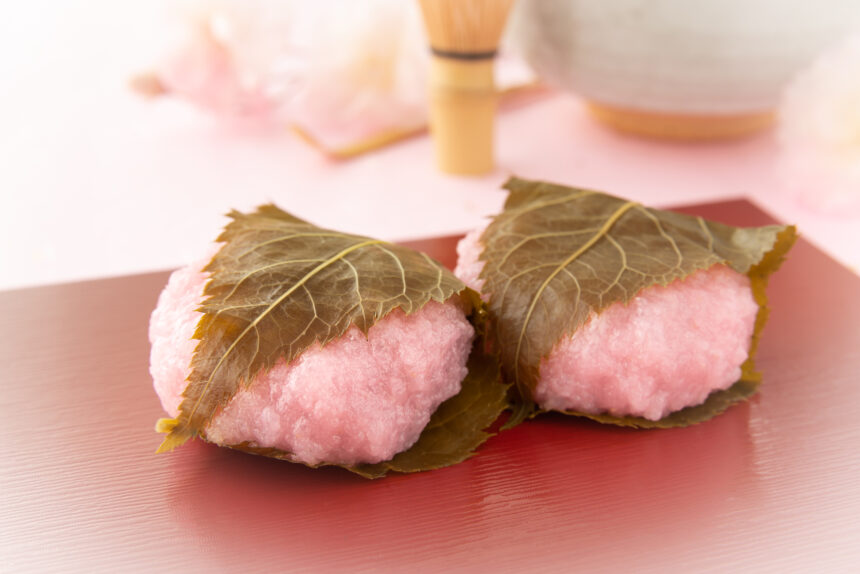
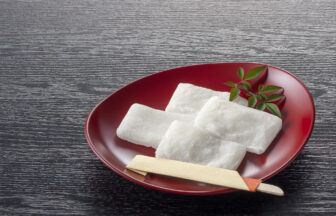
mochi (glutinous rice or other grain, sticky enough to make mochi rice cakes)springrice cake with bean paste wrapped in a preserved cherry leaf

A Japanese confectionery made from domyoji flour. Domyoji flour is made from glutinous rice that has been steamed, dried, and coarsely ground, and when sugar is added to it and steamed, the result is a dough with a grainy texture. It is mainly used to make sakura-mochi (cherry blossom cake). Domyoji flour is said to have been first made at Domyoji, a nunnery in Fujiidera City, Osaka Prefecture. At that time, it was used as a storable food, softened and eaten by pouring water or boiling water over it.

新着・おすすめ情報

  1. Umezono, a long-established sweet shop in Asakusa. Reaching out to the next generation with innovative ideas and SNS development that are “Eiyoe” (picture-perfect).

  2. just after fall

  3. 【第24回】海苔と海苔を使った蕎麦メニューの歴史

  4. Explanation of the contents of “Yomeiri Dougu Arrangement” [Decorating Hina Dolls].

  5. Developing original materials with attention to detail, starting from the fabric. Shukusen, a long-established manufacturer of yukata loved by kabuki actors in the Edo period [Part 1

  6. unlined kimono

  7. For over 300 years in Nihonbashi, we have continued to develop products that meet the needs of the times. Long-established “Nimben” dried bonito flakes

  8. Nezu Shrine (Nezu, Tokyo)

  9. Myohoji Temple (Higashi Koenji, Tokyo)

  10. oldest surviving traditional style of sake making

  11. 大塚天祖神社(東京・大塚)

  12. When is the day of the Ox in 2023? What is the origin and the reason for eating eels?

  13. 【第7回】蕎麦に欠かせない薬味「葱」と「唐辛子」について

  14. The same manufacturing method since the establishment of the company. Interview with Satoru Nakamura, 7th generation owner of Shirokiya Nakamura Denbei Shoten, who weaves Edo brooms using craftsmanship passed down from generation to generation .

  15. light crimson (dye)