Imperial Palace

historic siteMarunouchi/Yaesu

Imperial Palace(Imperial Palace)

Imperial household

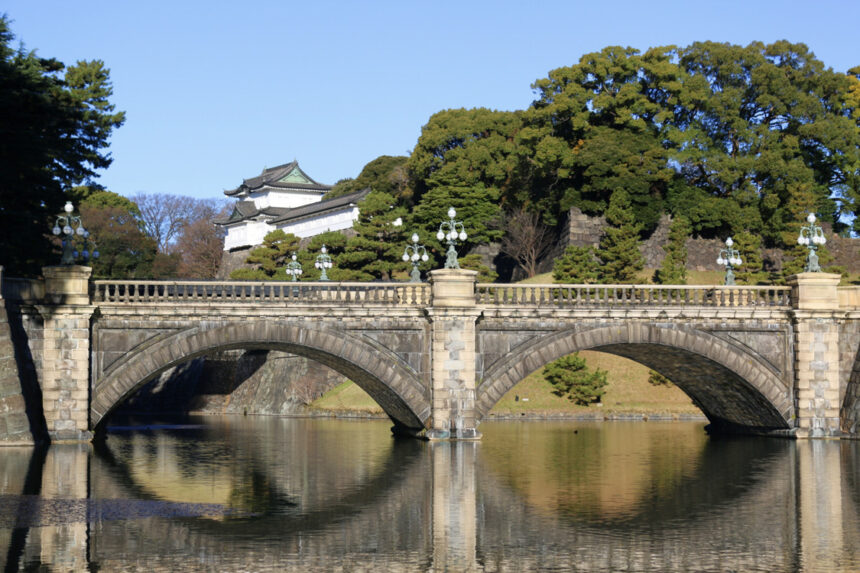
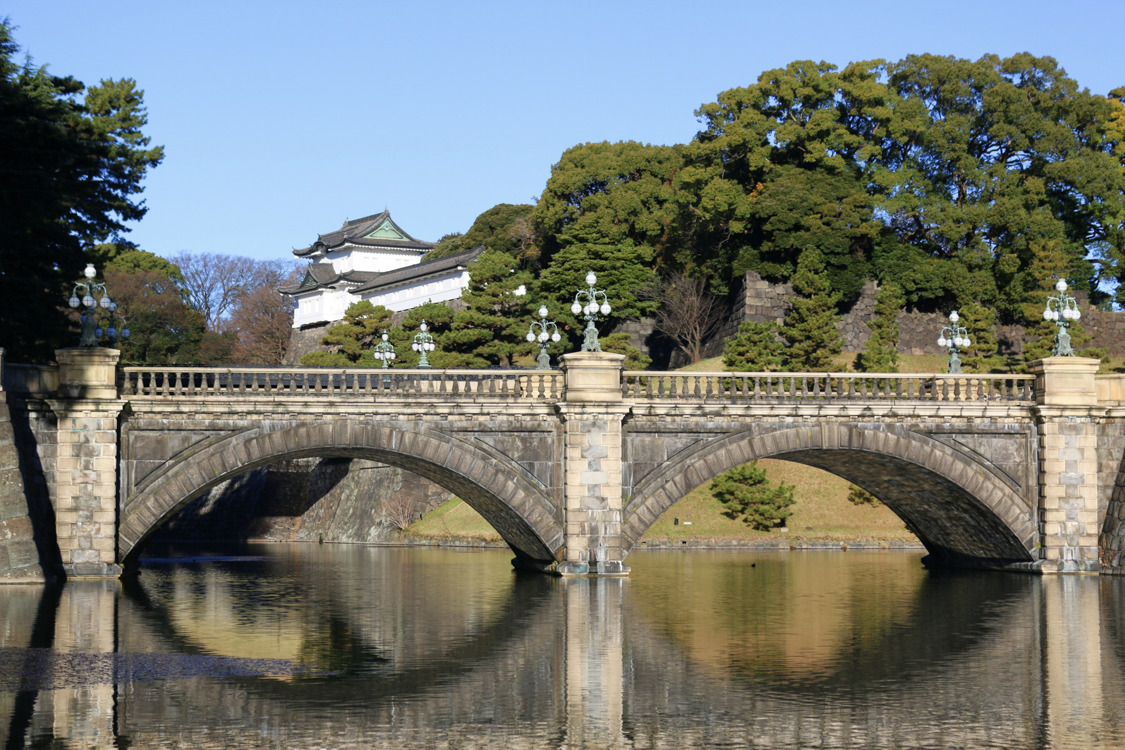
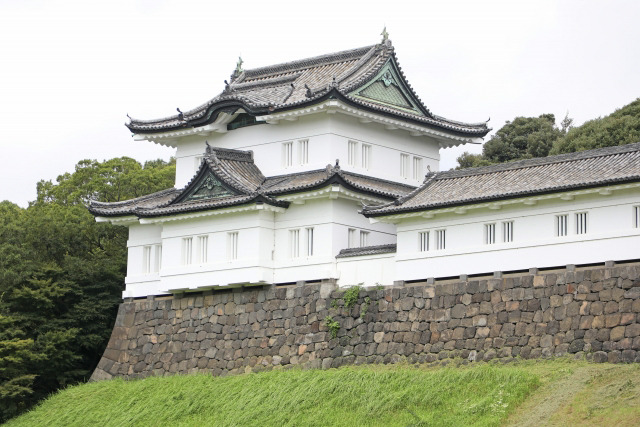
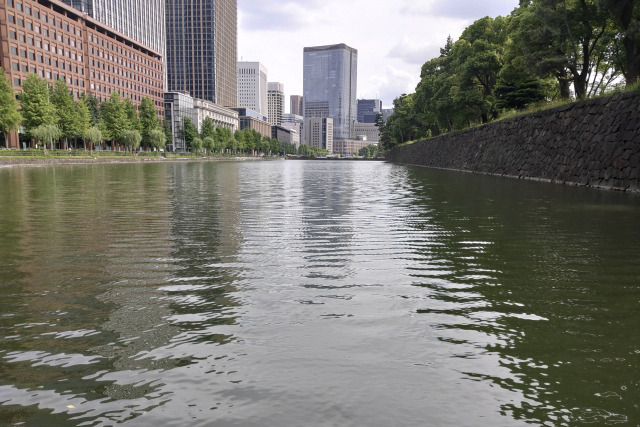
Originally the residence of the Tokugawa Shogunate (Edo Castle), it was turned over to the new government in 1868 (the first year of Meiji) and became the residence of the Emperor. It was originally called Miyagi (Palace), but in 1948, the name Miyagi was dropped and it became known as the Imperial Palace. On January 2 and the Emperor’s Birthday, a public visit to the Imperial Palace is held, and visitors can enter from the Imperial Palace Square through the Main Gate and Nijubashi Bridge to the front of the Imperial Palace. The entrance to the Imperial Palace is through the Main Gate and Nijubashi Bridge from the Imperial Palace Square.

Spot OutlineOutline

address (e.g. of house) 1-1 Chiyoda, Chiyoda-ku, Tokyo
Access (To Nijubashimae) 2 minutes from Sakuradamon subway station, 3 minutes from Hibiya subway station, 3 minutes from Nijubashimae subway station

phone 03-3213-1111 (Imperial Household Agency)
Business Hours None (The East Gardens open at 9:00. Closing time depends on the season)
regular closing day None (The East Gardens are closed every Monday and Friday. However, it is open on all holidays except the Emperor’s Birthday. When Monday is a holiday and the park is open, it is closed on Tuesday. Also closed from December 28 to January 3)
External Links

Official Web Site

Founding and opening of business 1868 (first year of Meiji era)

新着・おすすめ情報

  1. Akasaka Imperial Villa

  2. straight sword

  3. 【第17回】「田舎蕎麦」と「更科蕎麦」の違いとは

  4. Hibiya Park

  5. How is doburoku made? Words related to sake

  6. What is “Katahira”? What kind of process is it? Words related to Sake

  7. What is “Uguisumochi”? Which season is it?

  8. Nihonbashi (bridge)

  9. Lady Gaga is a fan! The beauty of the braided cord culture by Ryu Kobo, which has been in business for over 130 years.

  10. Daiba Park (Odaiba, Tokyo)

  11. stalk (of a mushroom, leaf, etc.)

  12. Explanation of the origin of Chirashi-zushi, ingredients used, etc.

  13. How to read “strong snacks”? Kaiseki and Kaiseki Cuisine

  14. Gansenen Park (Waseda, Tokyo)

  15. Sword eyelets become one-of-a-kind accessories. Nihon Katana, a long-established store specializing in swords that you can enjoy even if you are not an enthusiast.