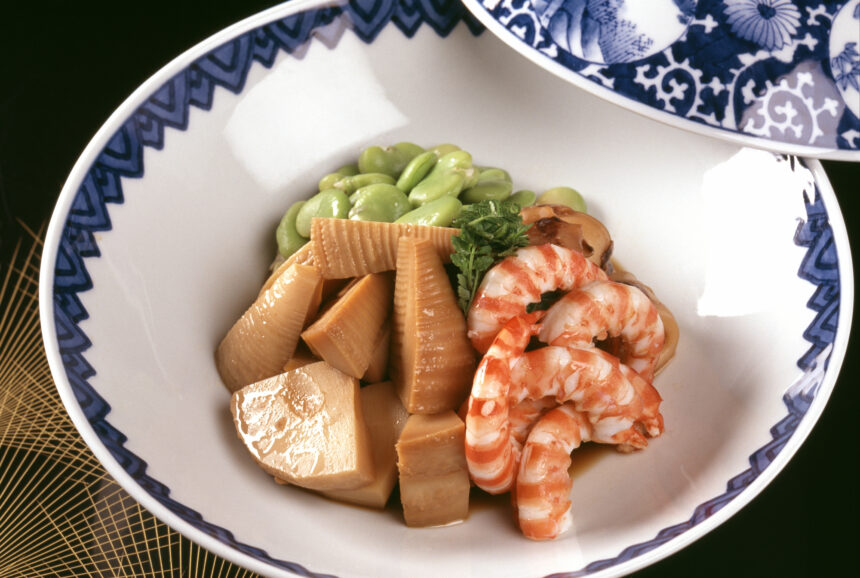
How to read “strong snacks”? Kaiseki and Kaiseki Cuisine

Japanese-style meal

How to read “strong snacks”? Kaiseki and Kaiseki Cuisine(shiizakana)

banquettea-ceremony dishes

The second main dish served after “hachizakana (grilled fish)” in kaiseki cuisine. It is the second main dish served after “Hachizakana (grilled fish)”. It is served with simmered or cooked dishes. It is named as “a side dish that is served after “hachizakana” (grilled fish).
In kaiseki cuisine, “strong side dish” is sometimes served after “grilled fish,” which is the last dish of the first “one soup and three vegetables. In this case, it is sometimes called “kekebachi,” but “kekebachi” is often considered a side dish for rice, while “strong snacks” are considered a side dish for sake.


新着・おすすめ情報

  1. Ningyocho Shinota Sushi Head Office, a long-established sushi restaurant serving inari sushi. What changes with the times, and what never changes.

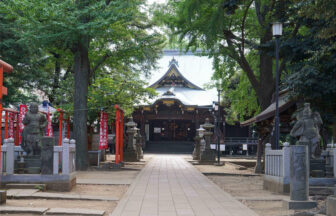
  2. Oji Shrine (Oji, Tokyo)

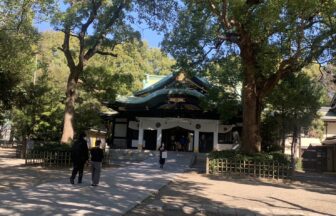
  3. Zoshigaya Kishimojin Hall

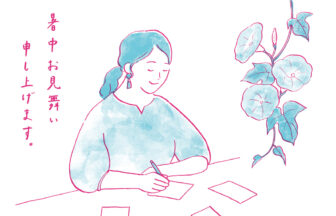
  4. When should I send out my summer greeting cards in 2023? Is it OK to send it by e-mail? Common sense and examples of sentences you should know

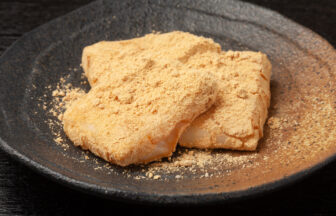
  5. rice cake with bean paste wrapped in a preserved egg

  6. They also restore ancient musical instruments used in traditional performing arts. Okadaya Fuse’s Struggle to Preserve Traditional Japanese Culture

  7. silk gauze

  8. Yigyoin Temple / Sukeroku and Agemaki Hiezuka (Takenotsuka, Tokyo)

  9. wafer

  10. day of the ox in midsummer (during the hottest season)

  11. yeast starter

  12. A Walk in Edo with Old Maps] No. 1: Traces of Ieyasu’s Urban Development and Precious Buildings in Marunouchi

  13. The family motto is “Be a connoisseur. Gyokuho-Do” has continued to support the tea culture by handling tea utensils of the Unshu-Matsudaira and Omotesenke families.

  14. soba water

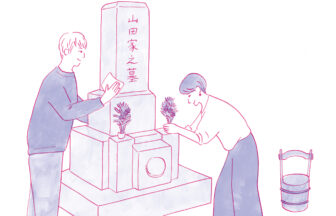
  15. What to do on the far shore for ancestor memorial services? What to wear, what to bring, and what to do on the day of visitation.