

Kurume Kasuri(kurumekasuri/kurumekasuri)
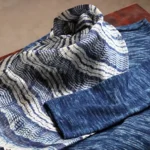
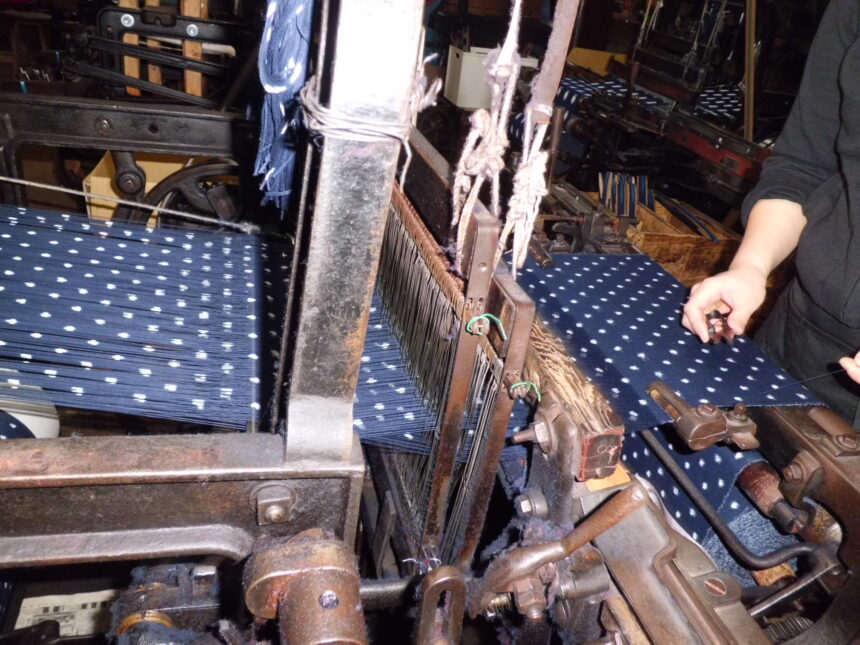
This textile was made as a side job for farmers in the Chikugo region centered on Kurume City, Fukuoka Prefecture. Cotton threads are knotted and dyed with indigo, and a kasuri pattern is woven by hand. The patterns include geometric and pictorial (picture and character) patterns, and are classified into small, medium, and large patterns according to size and number of patterns. Kurume kasuri was born around 1800 (late Edo period). A young girl named Den Inoue noticed a white speckled pattern on faded old clothes and came up with the idea of creating a pattern by binding and dyeing threads from them. As this technique spread, people invented new patterns, and after the Meiji period (1868-1912), it spread throughout Japan as a common people’s kimono. Along with Iyo-kasuri and Bingo-kasuri, it is also known as one of the three most popular kasuri in Japan.