swallowing a great amount of tea or medicine

Japanese confectionery

swallowing a great amount of tea or medicine(daifuku)

red bean pastemochi (glutinous rice or other grain, sticky enough to make mochi rice cakes)

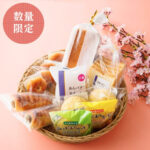
Daifukumochi is a type of rice cake made of mochi (glutinous rice cake) with a thin skin and azuki bean paste filling. There are also other varieties, such as Mame-Daifuku, which contains boiled red peas in the mochi skin, and Kusa-Daifuku, which is made with mochi mixed with mugwort leaves. The name “quail mochi” originated in the Edo period (1603-1867), when it was a popular food for the common people, and its round, plump appearance was thought to resemble a quail. It was also called harabutomochi because of the shape of the quail’s bulging belly and its longevity. However, the filling of Daifuku at that time was salty, and it is said that it was not until the end of the 18th century that they began to use sugar-sweetened bean jam as they do today.

新着・おすすめ情報

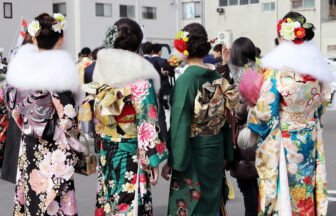
  1. long-sleeved kimono

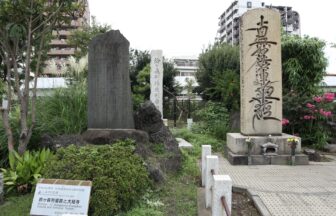
  2. Ruins of Suzugamori Penitentiary (Omori, Tokyo)

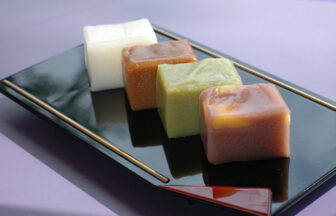
  3. Uiro

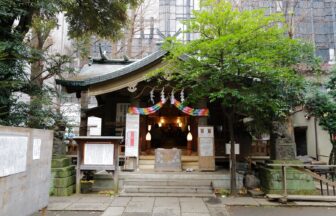
  4. Inari Onio Shrine (Shinjuku, Tokyo)

  5. 【第7回】蕎麦に欠かせない薬味「葱」と「唐辛子」について

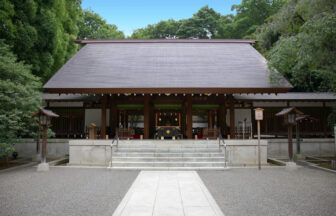
  6. Nogi Shrine (Akasaka, Tokyo)

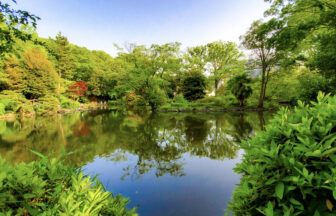
  7. Arisugawa-no-miya Memorial Park

  8. What is Gunkanmaki? Origin of the name, store of origin

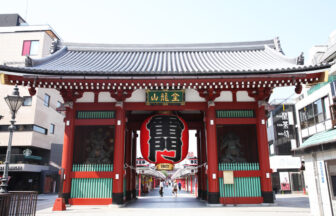
  9. Sensoji Temple

  10. A Walk in Edo with Old Maps] No.5: Traces of Edo Remain Strong in “Differences in Elevation” and “Town Names” in Ushigome and Ichigaya

  11. Oji Shrine (Oji, Tokyo)

  12. What are the characteristics of “Yamada-Nishiki” rice for sake brewing? Words related to sake

  13. The family motto is “Be a connoisseur. Gyokuho-Do” has continued to support the tea culture by handling tea utensils of the Unshu-Matsudaira and Omotesenke families.

  14. sake brewed without addition of saccharides and no more than 120 litres of seed alcohol per tonne

  15. Shukusen, a dyed kimono store for yukata and Edo komon. What is the pride and confidence in the words “Shukusen Kansei”?