

temple (Buddhist)Omori, Kamata
Ikegamihonmonji Temple(Ikegami honmonji-Temple)
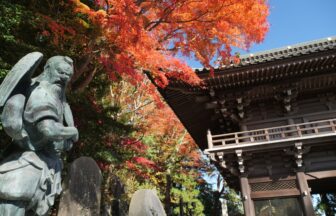
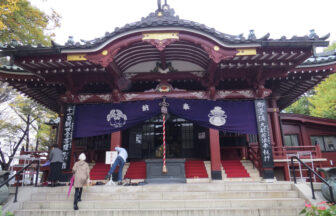
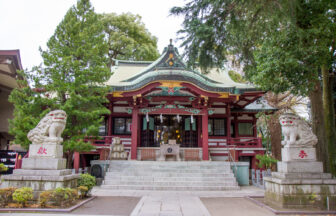
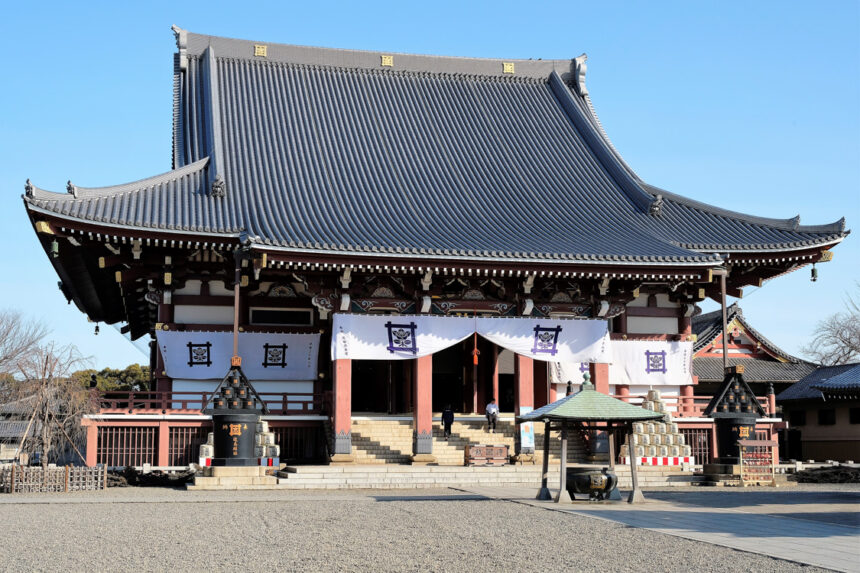
This temple was built on the site of Nichiren Shonin’s death and is the main temple of Nichiren Shoshu. The correct name is Choeizan Honmonji Temple, commonly known as Ikegami Honmonji Temple. Nichiren Shonin passed away on October 13, 1282 (Koan 5) at the residence of Ikegami Munenaka, a local lord in Ikegami, Musashi Province (present-day Ikegami, Ota Ward, Tokyo). It is believed that the mansion later developed into a temple and became Ikegami Honmonji. The five-story pagoda built in 1608 survived the war and is designated as a National Important Cultural Property. The Oeshiki ceremony, held on the evening of October 12, is a grand event, with many followers parading in a procession of many lanterns through the town of Ikegami.
Spot OutlineOutline
| address (e.g. of house) | 1-1-1 Ikegami, Ota-ku, Tokyo |
|---|---|
| Access | 10 minutes from Ikegami Station on the Tokyu Line, 12 minutes from Nishimagome Subway Station, 5 minutes from Honmonji-mae bus stop on the 20-minute bus bound for Ikegami Station from JR Omori Station |
| phone | 03-3752-2331 |
| Business Hours | nashi (Pyrus pyrifolia, esp. var. culta) |
| regular closing day | |
| External Links | |
| Founding and opening of business | Kamakura period (1185-1333 CE) |