kasuri

Japanese clothing

kasuri(kasuri)

Japanese clothesclothing

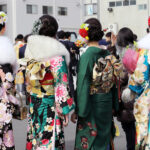
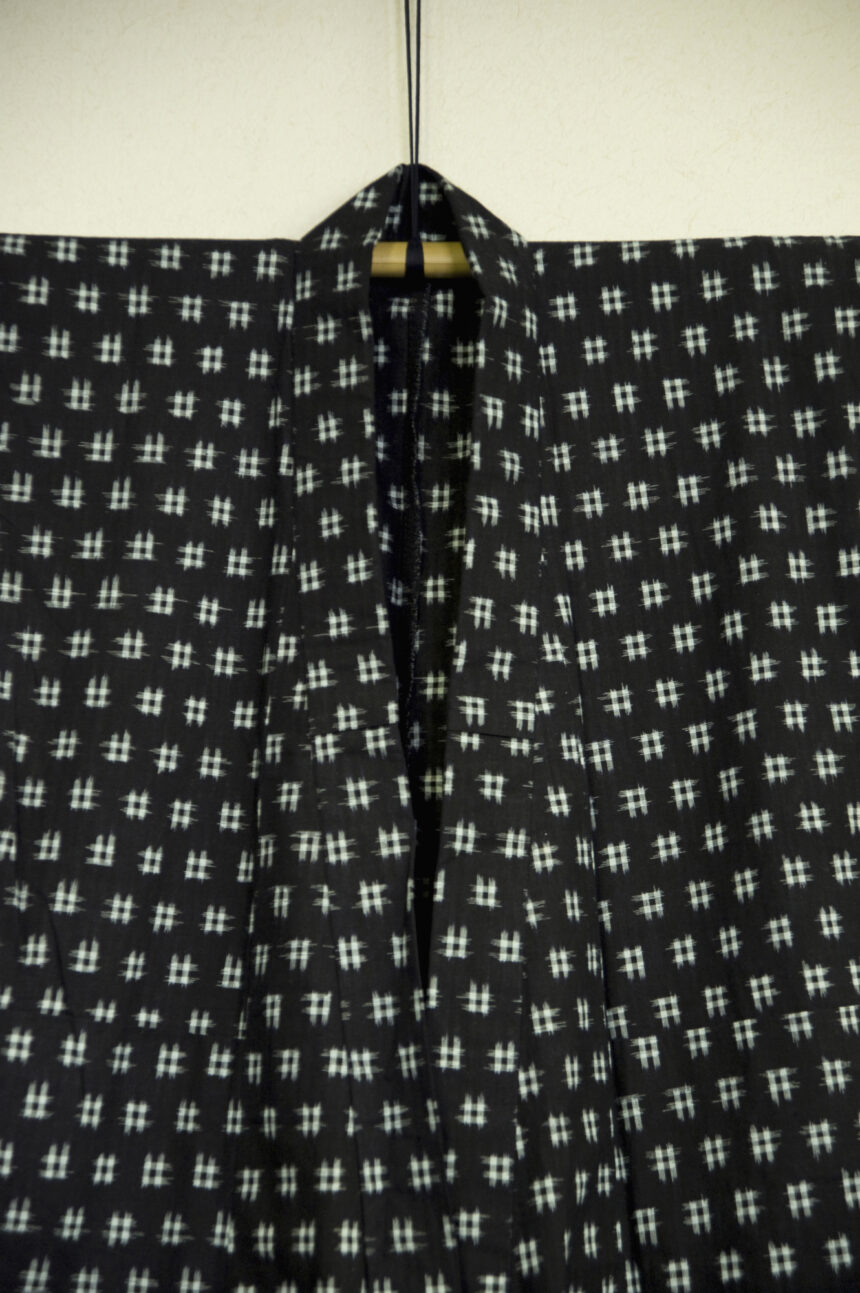
A textile in which the warp or weft threads, or both, are partially dyed and woven together to form a pattern. It has a long history and is believed to have originated in India. In Japan, tatekasuri is one of the treasures of Horyuji Temple. After the Edo period (1603-1868), with the spread of cotton, the use of kasuri spread throughout the country as a common people’s clothing. Patterns include crosses, wells, rice paddies, and arrow-shaped kasuri, and Ryukyu-kasuri has distinctive patterns such as running water and swallows. The colors were mainly navy blue and white. In the beginning, cotton was used for the threads, but silk and hemp were also used to make kasuri. The most well-known cotton varieties are Kurume kasuri and Iyo kasuri; silk varieties include Ryukyu kasuri, Yuki pongee, and Oshima pongee; and linen varieties include Echigo Kamifu (Ojiya shuku) and Noto Kamifu.

新着・おすすめ情報

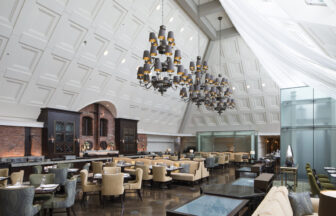
  1. Tokyo Station Hotel (Marunouchi, Tokyo)

  2. 日本橋

  3. Sarugakuzuka Tomb (Daikanyama, Tokyo)

  4. Hamura Intake Weir

  5. Kazari-uma” decorated on Children’s Day. What kind of vehicle is the white horse considered to be?

  6. Why display “Armor Decorations” on Dragon Boat Festival. Armor is not for fighting…

  7. Meiji Shrine

  8. 【第23回】蕎麦屋店主が考える真の蕎麦「通」の定義

  9. Ubukeya is a knife store specializing in kitchen knives, scissors, and hairpins. The ultimate “sharpening” that even makes a paper-cutting artist say, “It’s so sharp, I’m in trouble!

  10. sake specially produced without added alcohol or sugar

  11. Yamamoto-Tei (aristocratic group of pious men)

  12. midst

  13. Gotokuji Temple (Setagaya, Tokyo)

  14. Kakurinji Temple (Shirokanedai, Tokyo)

  15. Hoonji Temple (Kinshicho, Tokyo)