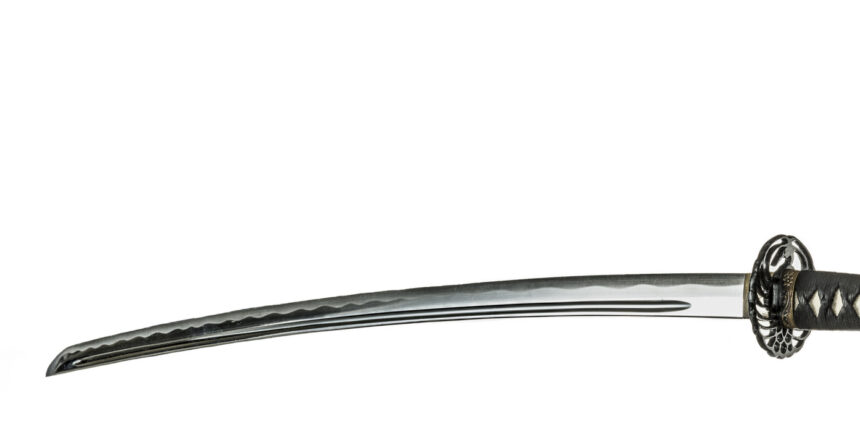
ridges on a blade (sword, knife, etc.)

armour

ridges on a blade (sword, knife, etc.)(shinogi)

Japanese sword

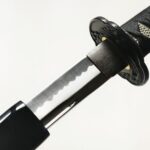
The high, vertical line running between the blade and the mune on the side of the sword blade. This line is called “Shinogi-suji. The blade of a sword with shinogi-suji is thinner and lighter. This makes the blade sharper and easier to handle in battle.
This technique of making the blade thinner and lighter makes the blade sharper and easier to handle in battle. Originally, the focus was on “thrusting” attacks with a straight sword without Shinogi, but this changed to “stroking and cutting” attacks with a swinging sword, and the sharpness and lightness of the blade, as described above, came to be demanded. If the blade is made thin all over, it is more likely to break, but by leaving a thicker section with Shinogi, the blade can remain sturdy and resistant to breakage.
The term “sharpen Shinogi-” is derived from the fact that the two blades are so close to each other that their Shinogi-line touches each other, and the word “sharpen” is used to describe the fierce struggle between them.

新着・おすすめ情報

  1. Kazari-uma” decorated on Children’s Day. What kind of vehicle is the white horse considered to be?

  2. pickled ginger

  3. Kimuraya Sohonten, a long-established bakery that has inherited the beliefs of its predecessors and predecessors and continues to preserve its taste.

  4. Railroad starting point 0 leagues sign (Shinbashi, Tokyo)

  5. noodles with duck meat and Welsh onions

  6. An arrow wheel is a windmill attached to the pole of a carp streamer. What is the meaning of the sound of its spinning?

  7. A gem loved by literary giants! What is the charm of “Haniage Dango,” the ultimate in simplicity?

  8. The first “in-house work of a samurai”. Yoshinoya Shoten” has been lighting up the nights of Japan with Edo lanterns for 168 years.

  9. Ubukeya is a knife store specializing in kitchen knives, scissors, and hairpins. The ultimate “sharpening” that even makes a paper-cutting artist say, “It’s so sharp, I’m in trouble!

  10. Inari Onio Shrine (Shinjuku, Tokyo)

  11. Shoin Shrine (Setagaya, Tokyo)

  12. What is “Gyoku (sushi)”?

  13. Kurume Kasuri

  14. What’s in a Kaiseki meal? Explaining the Difference from Kaiseki Cuisine

  15. ratio indicating the quantity of polished rice gained from a given quantity of brown rice (nowadays usually expressed as a percent)