type of informal katakana worn in the Edo period

Japanese clothing

type of informal katakana worn in the Edo period(edokomon)

Japanese clothesclothing

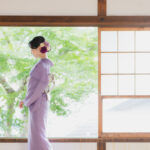
A dyed fabric in which a pattern so fine that it appears plain at first glance is repeatedly pattern-dyed in one direction and in one color. The roots of this technique date back to the Muromachi period (1333-1573), and from the beginning of the Edo period (1603-1867), it was used for kamishimo (formal dress for samurai). By the mid-Edo period, it had spread to the townspeople, and was worn by people of all genders and statuses. Plain, detailed patterns are characteristic of Edo komon, but commoners also used patterns based on motifs such as four-character idioms, idiomatic phrases, flowers, and vegetables. Today, it is suitable for casual fashionable wear, but it can also be worn on formal occasions if the pattern is of high rank, which was used for kamishimo, or “komon sanyaku (or goyaku),” or if it has a crest.

新着・おすすめ情報

  1. Hatomori Hachiman Shrine (Sendagaya, Tokyo)

  2. Manners Related to Tea: How to Make and Serve Delicious Tea, and Manners for Receiving Tea

  3. Kiyosubashi Bridge (Kiyosumi-Shirakawa, Tokyo)

  4. We don’t stick to tsukudani alone. They are also introducing Western flavors and expanding their sales channels. The Challenge of Shimbashi Tamakiya

  5. Samurai dolls” for Dragon Boat Festival. When did they come to be displayed?

  6. Ruins of Otama-ga-ike Pond

  7. A Walk in Edo with Old Maps] No.3: Once the Best Shopping Zone in Edo. Tracing the Traces of a Fish Market in Nihonbashi

  8. 【第20回】家庭でも美味しく生麺の蕎麦を茹でる方法

  9. The characteristics of “koshu” (old sake) explained [Words related to sake].

  10. Japanese doll” is a generic term for dolls traditionally made in Japan. What types are there?

  11. Kurume Kasuri

  12. Founded in 1877, “Ningyocho Shinota Sushi” is a famous inari sushi restaurant. The secret of the long-loved taste

  13. marks indicating the Japanese meaning of the texts of Chinese classics

  14. Suddenly, at the age of 25, he became the president of the company. Steps of the 8th generation of “Nihonbashi Benmatsu Sohonten,” Japan’s oldest bento shop.

  15. soldier’s overalls