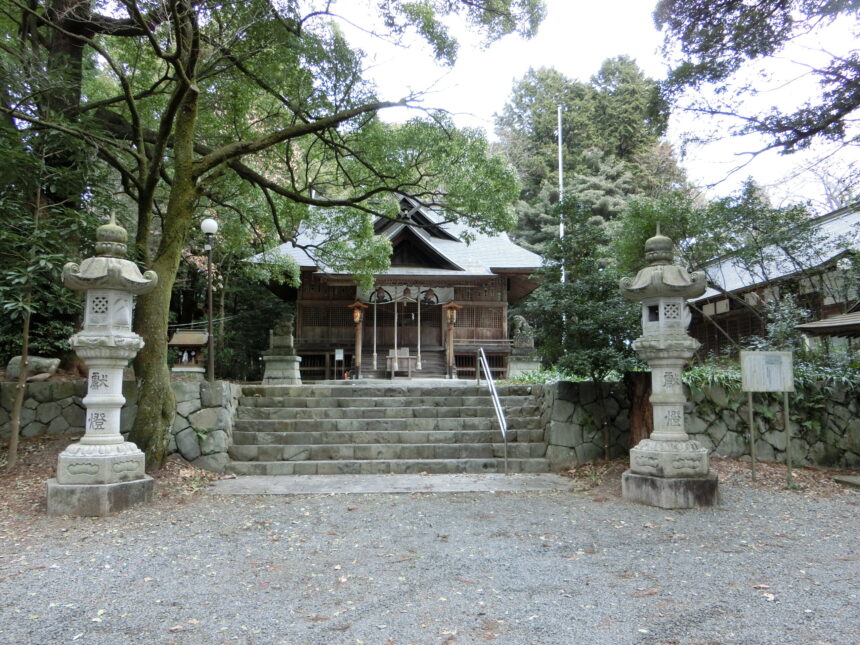
Abiru Shrine (Akiruno, Tokyo)

Shinto shrineHigashimurayama, Ome, Okutama

Abiru Shrine (Akiruno, Tokyo)(Akiru Shrine)

walkportable shrine (carried in festivals)

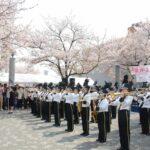
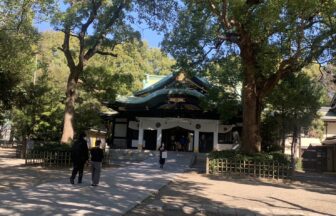
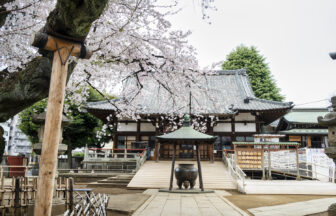
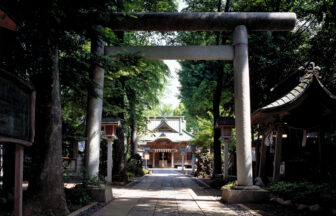
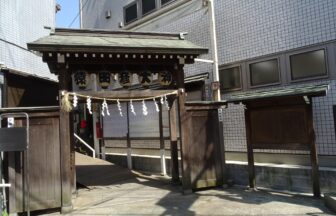
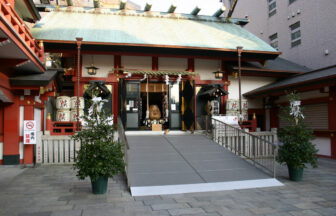
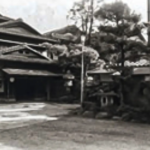
It is an old shrine with a long history, and is listed as the first shrine in Tama-gun, Musashi-kuni in the Engishiki Shinmeicho, a list of shrines compiled in the mid-Heian period (794-1185). The main deity is Omotonokunushi, and the other deities are Ajisade Takahikone no Kami, Takehinatori no Kami, and Amenokoyane no Mikoto. The company name “Akiru” is also written as “Kurokiri” or “Akiru,” but “Akiru” is thought to be a transcription of “Azekiri,” suggesting that the shrine was associated with the development of this land. In the Middle Ages, the shrine was also called Matsubara-daimyojin, from the name of the place, and even today it is commonly called “Matsubara-sama. The annual festival held at the end of September lasts for three days, during which a large, hexagonal portable shrine makes its way around the town.

Spot OutlineOutline

address (e.g. of house) 1081 Itsukaichi, Akiruno City, Tokyo
Access 15 minutes walk from Musashi Itsukaichi Station on JR Itsukaichi Line

phone 042-596-0560

新着・おすすめ情報

  1. Sengakuji Temple

  2. traveling clothes

  3. part of the palace where important ceremonies were held

  4. well-established

  5. Yigyoin Temple / Sukeroku and Agemaki Hiezuka (Takenotsuka, Tokyo)

  6. Ruins of Kira Residence (Honjo Matsuzaka-cho Park)

  7. Hanamaki soba

  8. pure silk

  9. Kawaramachi Inari Shrine (Kitasenju, Tokyo)

  10. Rikugien

  11. Sekiguchi Bashoan (Waseda, Tokyo)

  12. ratio indicating the quantity of polished rice gained from a given quantity of brown rice (nowadays usually expressed as a percent)

  13. oldest surviving traditional style of sake making

  14. What is Gunkanmaki? Origin of the name, store of origin

  15. Mukozuke” is served at the beginning of kaiseki cuisine. What is the origin of its name?