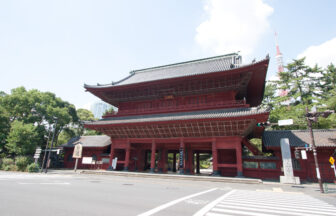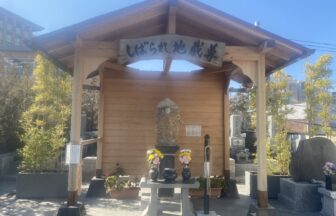
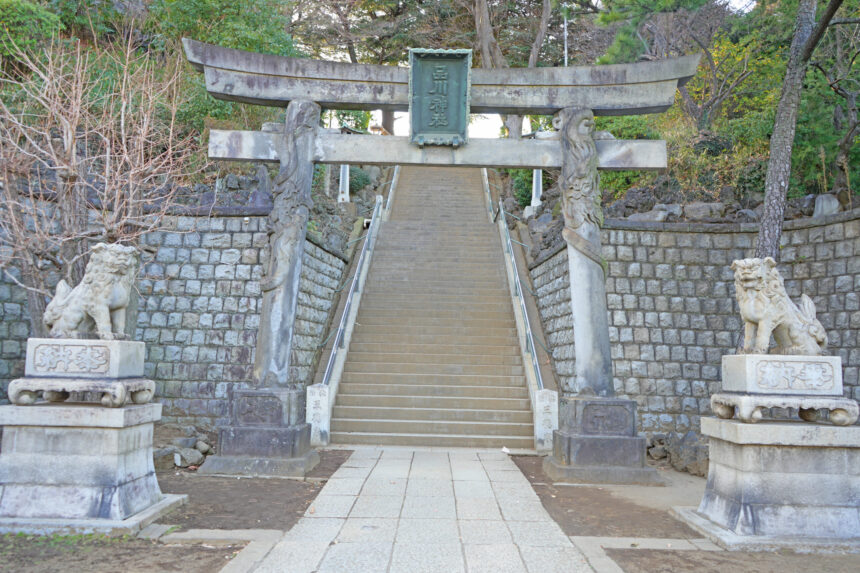
Shinagawa Shrine (Kita-Shinagawa, Tokyo)

Shinto shrineShinbashi, Shinagawa, Odaiba

Shinagawa Shrine (Kita-Shinagawa, Tokyo)(Shinagawa Shrine)

Tokugawa Ieyasu (lords of the Tokugawa shogunate)walkMinamoto no Yoritomointangible cultural asset

The Tadai Kagura, dedicated by Ieyasu Tokugawa in 1600 when he went to battle in Sekigahara, is designated as an Intangible Folk Cultural Asset of the Tokyo Metropolitan Government, and is still dedicated four times a year, including at the annual festival. It is still dedicated four times a year, including at the annual festival. In 2020, the shrine was renovated as a commemorative project for the Emperor’s Grand Ceremony. It is one of the ten shrines in Tokyo, and Daikokuten, one of the seven gods of good fortune in the Tokai region, is also enshrined here.

Spot OutlineOutline

address (e.g. of house) 3-7-15 Kita-Shinagawa, Shinagawa-ku, Tokyo
Access 1 minute walk from Keihin Kyuko Shinbamba Station

phone 03-3474-5575
Business Hours 9:00-17:00 (reception at the shrine office)
regular closing day nashi (Pyrus pyrifolia, esp. var. culta)
External Links

Official Web Site

Founding and opening of business 1187 (Bunji 3)

新着・おすすめ情報

  1. Kawaramachi Inari Shrine (Kitasenju, Tokyo)

  2. Umezono, a long-established sweet shop in Asakusa. Reaching out to the next generation with innovative ideas and SNS development that are “Eiyoe” (picture-perfect).

  3. Zenkokuji Temple (Kagurazaka, Tokyo)

  4. What does “agari” mean? Its origin is also explained.

  5. What is the origin of the term “chilled sake”? Words related to sake

  6. The name “Mokumegome doll” comes from the fact that the fabric is pressed into the shape of a doll.

  7. Meaning of “buckwheat cutter

  8. make

  9. eel and cucumber salad, finely sliced, dressed in sake, soy, and vinegar

  10. National Diet Library International Library of Children’s Literature

  11. Where does “Mikosui” come from? What are its characteristics? Words related to sake

  12. Smoked Saikyo pickles have evolved into a snack for alcoholic beverages. The insatiable spirit of challenge at the long-established “Tsuta-no-ie

  13. Tokyo’s “Furyu Odori” is the talk of the town since it was selected as a UNESCO Intangible Cultural Heritage site! Tokyo’s “Furyu Odori” gathers in large numbers! Report on Tokyo Folk Performing Arts Festival

  14. The family motto is “Be a connoisseur. Gyokuho-Do” has continued to support the tea culture by handling tea utensils of the Unshu-Matsudaira and Omotesenke families.

  15. Shimonotani Ruins Park (Higashifushimi, Tokyo)