kokeshi doll

puppet

kokeshi doll(kokeshiningyo).

Tohoku (northernmost six prefectures of Honshu)

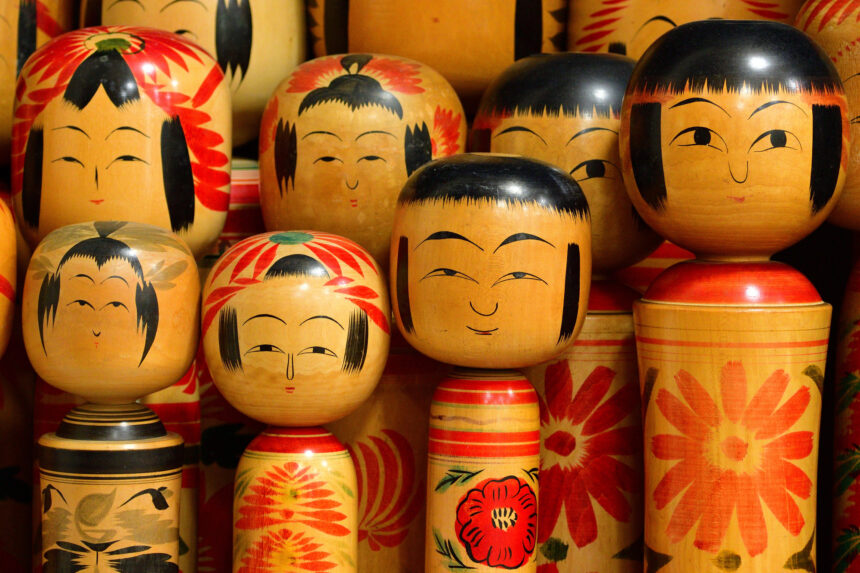
A wheel-thrown wooden doll made mainly in the six prefectures of the Tohoku region. The doll has a cylindrical body with a large spherical head, and patterns are painted on the face and body. The facial expression and the shape and pattern of the body vary from region to region, and the dolls are classified into 11 or 12 different lines. There are various theories about the origin of kokeshis, but the most popular theory is that they were first made as souvenirs at bathhouses during the Edo period by kijiji-shi (craftsmen who made tools from wood from the mountains). In addition to “traditional kokeshi,” which inherits the techniques and taste of those days, in recent years there have been “new kokeshi,” which can be freely shaped and painted, and “creative kokeshi,” in which the creativity of the artist is strong.

新着・おすすめ情報

  1. Founded by a “Brush Master” who was a personal assistant to the Tokugawa Shogun. Edoya” has been providing brushes and bristle brushes for 300 years.

  2. Umezono, a long-established sweet shop in Asakusa: From awa-zenzai to dora-soft (soft rice cake), “80% on the defensive, 20% on the offensive” wins the hearts of young people.

  3. You can do it by yourself! How to tie a yukata obi – Butterfly knot

  4. What is included in “chopstick washing” in kaiseki cuisine? In what order are they served?

  5. How do you read “shicho”? What do the different expressions mean? Hina Dolls

  6. 【老舗ご当主・識者と歩く】日本推しラトビア人アルトゥルさんと虎ノ門−新橋の老舗をめぐる

  7. Tips for enjoying “summer kimonos” in a cool and fashionable way.

  8. Sticking to domestically produced raw materials, each tooth is spun by hand. The commitment of the long-established “Juso Yakushi-ten” (Juso Yakushi Shop)

  9. eel and cucumber salad, finely sliced, dressed in sake, soy, and vinegar

  10. Developing original materials with attention to detail, starting from the fabric. Shukusen, a long-established yukata manufacturer loved by kabuki actors in the Edo period [Part 2

  11. Sohonke Sarashina Horii, a soba restaurant with a long line. The taste that they have arrived at in pursuit of the possibility of buckwheat noodle

  12. short sword

  13. The ninth generation of a long-established soba restaurant teaches how to boil and taste truly delicious soba noodles

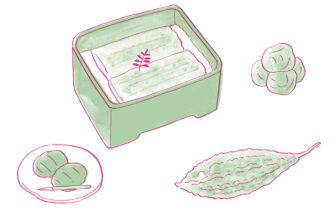
  14. sweet burdock and miso-bean paste covered with a thin layer of mochi

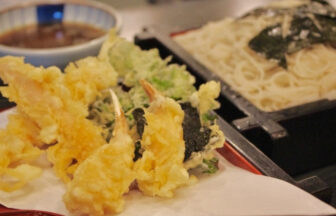
  15. 【第9回】蕎麦屋で人気の「天せいろ」の歴史