Japanese yam (Dioscorea japonica)

Japanese confectionery

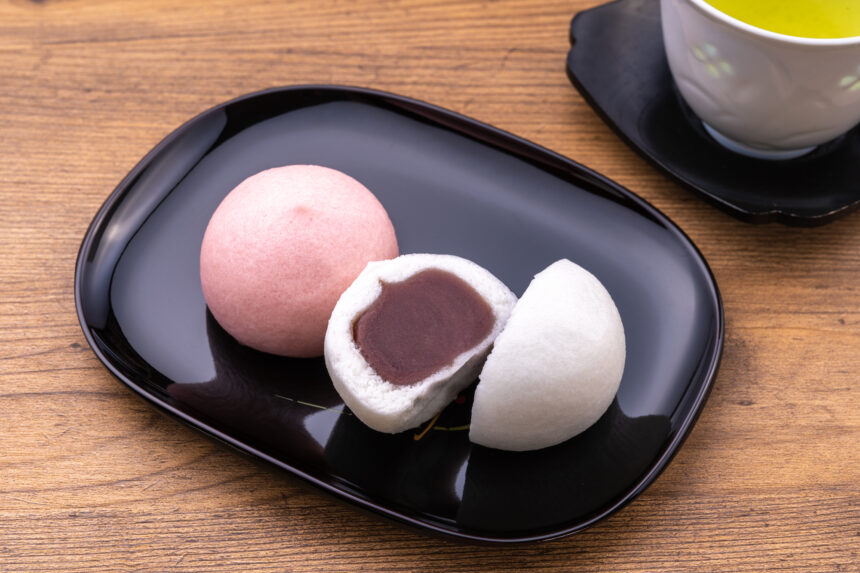
Japanese yam (Dioscorea japonica)(Jouyomanju)

red bean pasteweddingsouvenir

A Japanese confectionery made of grated yam, such as tsukuneimo, and grated yam, wrapped in yam yam grated dough kneaded with rice flour and sugar, and steamed. It is characterized by its moist texture and faint aroma of sweet potato. It has long been used as a wedding gift and for celebratory occasions. In the days when sugar and azuki beans were expensive, it was only eaten by people of high rank, and so it was also called “kami niyo manju (for use at the top). Originally, however, only buns made of grated yam dough were called “jyo-you-manju,” but nowadays it refers to all steamed buns filled with bean paste.

新着・おすすめ情報

  1. Umezono, a long-established sweet shop in Asakusa: From awa-zenzai to dora-soft (soft rice cake), “80% on the defensive, 20% on the offensive” wins the hearts of young people.

  2. Shoin Shrine (Setagaya, Tokyo)

  3. brewer’s rice

  4. Asakusa 1 Day Sightseeing Plan] Tour Asakusa’s long-established shops! 5 spots where you can feel history and tradition

  5. Tsukiji Honganji Temple

  6. Kanda Myojin

  7. Yamamoto Nori Store, a long-established business with a 170-year history, has created an innovation that allows people to taste freshly baked laver.

  8. What is the origin of the name “Yamato Doll”? What kinds of dolls are there?

  9. Founded in 1877, “Ningyocho Shinota Sushi” is a famous inari sushi restaurant. The secret of the long-loved taste

  10. buckwheat mash (buckwheat flour in hot water served with shoyu)

  11. wafer

  12. Tokyo Station Marunouchi Station Building

  13. mound containing a monument to Shomon (i.e. a place of scenic beauty)

  14. What are “Ichimatsu Dolls”? It was made to resemble a certain Kabuki actor in the Edo period.

  15. A Walk in Edo with Old Maps] No.3: Once the Best Shopping Zone in Edo. Tracing the Traces of a Fish Market in Nihonbashi