

Parks & GardensAzabu, Akasaka, Roppongi
Shinjuku Gyoen(Shinjuku Gyoen National Garden)
cherry blossom viewingpicnictaking one’s children along (to an event, into a new marriage, etc.)Japanese-style gardenleaves changing color (colour)
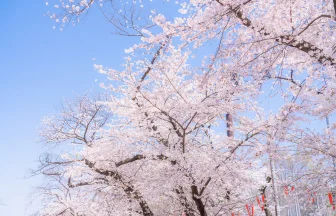
The vast garden, with an area of 58.3 hectares and a perimeter of 3.5 km, skillfully combines a formal garden with rows of plane trees, a landscape garden with lilies rising high above the lawn, and a traditional Japanese garden. It is a modern Western garden representative of the Meiji era and is considered one of the few masterpieces of landscape-style gardens in Japan. The garden is said to have its roots in the Edo residence of the Naito family, a Tokugawa family vassal. After the establishment of a national agricultural experiment station and the imperial estate of the Ministry of the Imperial Household, it was created in 1906 as Japan’s first imperial garden. After the war, it became a national park and was opened to the public. With approximately 1,000 cherry trees, autumn leaves, chrysanthemum beds, and plants in the greenhouse, it is a popular oasis in the heart of the city where visitors can experience nature regardless of the season.
Photo courtesy of Shinjuku Gyoen Management Office, Ministry of the Environment
Spot OutlineOutline
| address (e.g. of house) | 11 Naito-cho, Shinjuku-ku, Tokyo |
|---|---|
| Access |
|
| phone | 03-3350-0151 |
| Business Hours |
October 1 – March 14, 9:00 – 16:00 (closing at 16:30) March 15 – September 30: 9:00 – 17:30 (closing at 18:00) July 1 – August 20: 9:00 – 18:30 (closing at 19:00) *As of April 2022, the garden is open from 9:00 to 16:00 (closing at 16:30). Before visiting the garden, please check the following Shinjuku Gyoen website for the garden’s opening status. |
| regular closing day |
Every Monday (if Monday is a holiday, the following weekday), year-end and New Year holidays (December 29 – January 3) Open every day during the special spring opening period (March 25-April 24) |
| External Links | |
| Founding and opening of business | 1906 (39th year of Meiji era) Opened |