

Parks & GardensUeno, Yanaka, Nippori
Former Iwasaki Residence(Kyu-Iwasaki-Tei Gardens)
old-fashionedimportant cultural property
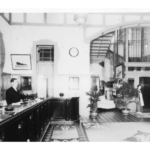
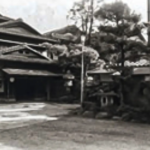
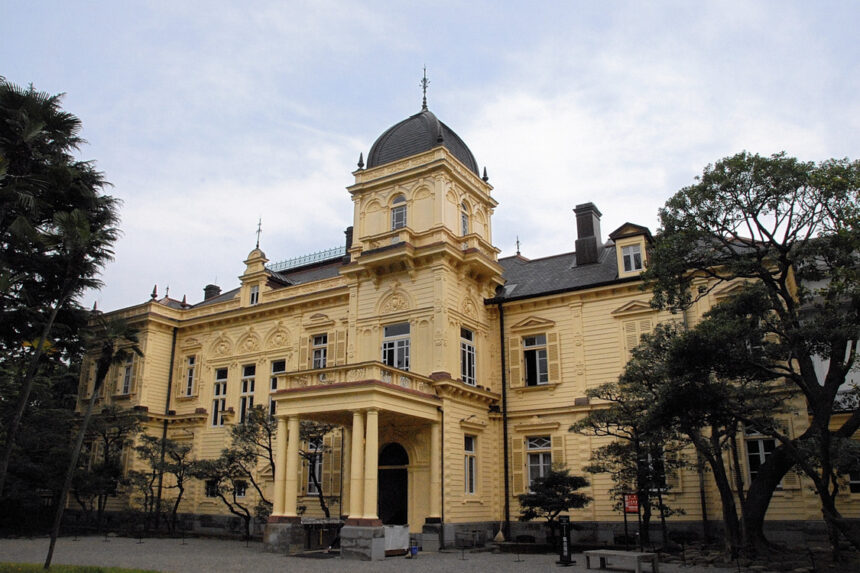
It was built in 1896 as the main residence of Hisaya Iwasaki, the eldest son of Yataro Iwasaki, who founded Mitsubishi and its third president. Today, the property is about one-third the size it was when it was built, and three buildings remain: the Western-style building, the billiard room, and the Japanese-style building. The Western-style building and billiard room were designed by Josiah Conder, an Englishman known for his work on the Rokumeikan. The Western-style building, based on the English Jacobean style, has delicate decorations not seen in Western architecture of the same period. The chess room, connected to the Western-style building by an underground passage, was designed in the style of a Swiss mountain hut, which was rare in Japan at that time. The Shoin-style Japanese-style building is said to have been constructed by master builder Kijuro Okawa, and its skillful juxtaposition of Japanese and Western styles is indicative of the lifestyle of the time.
Spot OutlineOutline
| address (e.g. of house) | 1-3-45 Ikenohata, Taito-ku, Tokyo |
|---|---|
| Access | 3 minutes from Yushima Subway Station, 10 minutes from Ueno-Hirokoji Subway Station, 10 minutes from Ueno-Okachimachi Subway Station, 15 minutes from JR Okachimachi Station |
| phone | 03-3823-8340 |
| Business Hours | 9:00-17:00 (admission until 16:30) |
| regular closing day | Year-end and New Year holidays (December 29 – January 1) |
| External Links | |
| Founding and opening of business | 2001 (Heisei 13) |