創業以来変わらぬ製法。受け継がれる職人技で編み上げる江戸ほうき「白木屋中村傳兵衛商店」7代目中村悟さんに聞く<前編>
日本橋 掃除道具 江戸ほうき 箒
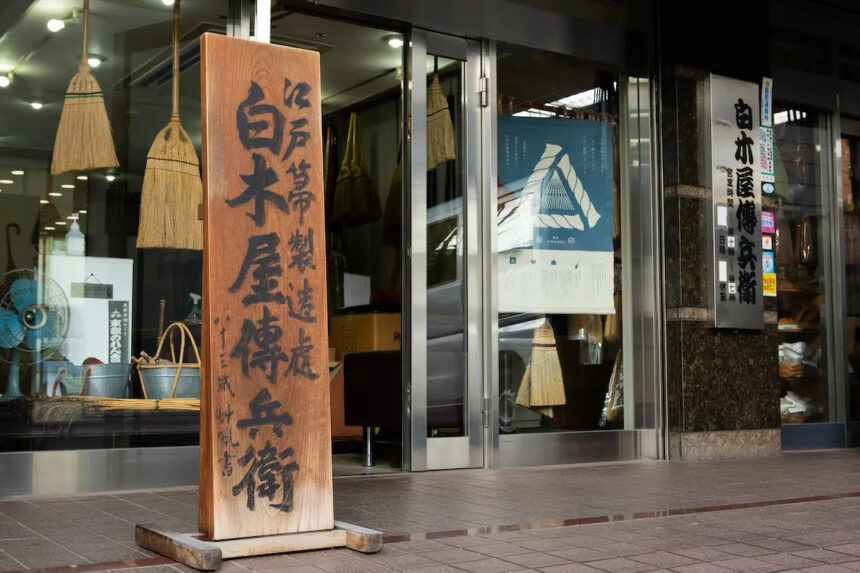
天保元年(1830年)創業の「白木屋中村傳兵衛商店」は、手作業で草を編み上げて作る「江戸ほうき」の老舗です。電気を使わず、プラスチックを使わない昔ながらの掃除用具は、SDGsが叫ばれる今の時代に再注目されるアイテムです。そんな江戸ほうきを代々作り続けている、「白木屋中村傳兵衛商店」7代目の中村悟さんに、「agataJapan tokyo」を運営する株式会社スターマーク・代表の林正勝がお話を伺いました。
創業以来変わらぬ製法で作られる江戸ほうき
中村さん:私は東京中央区の京橋3丁目にある「白木屋傳兵衛」という草ほうきメーカーの代表で現在7代目です。ほうきには材料としてシュロを使ったものと草を使ったものの2種類ありまして、草のほうきは江戸時代の後半に江戸でできたものです。それを代々作り続けて今に至っています。
中村さん:元の材料を組み合わせ、編み上げて作っていきます。作り方は天保元年(1830年)の創業当時からほとんど変わっていません。
中村さん:元々の技術レベルが高くて非常に完成された商品なので、いまだに付け加えたり引いたりする必要がないんです。近年では、マンションにお住まいの方やお年を召された方向けに小さめのほうきを作ったりもしています。また、掃除機をやめてほうきで掃除をしたいという背の高い男性も増えてきているので、柄がこれまでのものより10センチ長いほうきを作りました。ただ、江戸ほうきの特長は、柔らかくて、弾力があって、掻き出しが利いて、軽いというところ。職人からは「10センチ長くなるとベストバランスじゃなくなる」とダメ出しされました。
中村さん:しかし、そこを何とか説得をして試作品を作ってもらったんです。それを店に並べると、背の高いお客さんが「この方が楽じゃない?」と買っていかれるんですね。そうやって売れてしまうと、職人の方も「しょうがねぇな」ということで(笑)。未だに職人のカシラに完成のOKはもらってないんですよ。試行錯誤はずっと続いています。
中村さん:そうですね。あとは、現状をどのくらいのレベルで維持ができるのかという「後退しないための努力」ですよね。それは技術的にもそうですし、良質な材料を確保するための努力もあります。その辺は10年先位を見据えないとできないことなので、人材の確保も含めて並行してやっています。
中村さん:ほうき草は、編み方によってランクがあります。右側が「どうもの」といって大きなパーツを編み上げているものです。左側の窓がついているタイプは、使用する草の量が多いので、ふしのところを切ってその分軽くする技術を用いています。「新型」と名付けていますが昭和初期にできた形です。両方とも国産の草を使っていて、右が3万5000円で左が7万円です。
中村さん:国産の草は年に一度しか取れないので、年間を通じて使っているのは、三毛作できるタイとインドネシア産のものです。ほうき草の中から柔らかくて弾力のある草だけを、うちの職人が選別して作っているんです。柔らかくてしなる草をつかったほうきは、力が要らないし掃き出しがよく効くようになります。掃いていただくと、筆に近いような、弾力があってバウンと先が返る感じがわかると思います。
中村さん:職人になってすぐに草のランクを見極めるのは大変難しいことです。最初は、絶対的な指先の感覚を持つ職人のカシラに草を選別してもらいます。1000本ぐらい作ると、草のランクが指で触ってわかるようになり、また次のランクの草を1000本ぐらい作ると、最初の草と次のランクの草の違いがわかるようになります。
中村さん:そうやって10種類ぐらいあるほうきを全部作っていくと、全ての違いがわかるようになります。その中で一番うまい人間が、草を選別する作業を専門にやることになります。編んだりするのは1〜2年で何とかなりますが、選別する作業というのは教えるものではなくて、体得していくものなんです。ですから、最低10年ぐらいは作っていかないと違いがわからない、下職にはできない作業なんです。
中村さん:硬さと弾力が同じ草でも、穂丈が違うと先端の柔らかさが違ってきます。じゃあどこを中心にするのかと言うと、草の穂が最初に出る、茎の大元のところを指でじゃりじゃりと触るんです。それでわかります。どんな長さのものでも、そこは全部同じです。その感覚を指で覚えていく作業なんですね。
中村さん:はい。全部同じではないので、ランクに合ったもので切り揃えられるだけのものを選びます。
原材料確保が困難になっても国産にこだわった理由とは
中村さん:5年ほど前までは、茨城県のつくばの旧大穂村の鴻巣さんという方に作っていただいていたのですが、その方が体調を崩されて、できなくなってしまったんです。全部手作業なので、普通の農家さんは面倒がってやってくれないんですよ。
中村さん:そのときは、1年に渡ってうちの店長がほうき草の栽培方法を教えてもらいに行って、ノウハウを身に付けました。しかし毎年そんなことはしていられませんので、「我々がほしいほうき草を作ってくれる農家さんを紹介してほしい」と中央区にお願いに行ったんです。それで、中央区の友好都市である山形県東根市のJAに尋ねたら、栽培してくれる方が数名出てこられたんです。値段的には結構お高いのですが、とりあえずやってみましょうと。
中村さん:なぜ国産でないと駄目なのかというと、タイやインドネシアの草は、国産の草とは弾力が違うからです。昔から国産の草で慣れていらっしゃるお客様はもう指で覚えているので、外国の草を出すと「これちょっと違うんじゃない?」と言われます。そういう方のため、それと、創業当時の商品を残していく使命のために、国産の草をわざわざ作ってもらっています。
創業当時から変わらない作り方で、受け継いでいる江戸ほうきも、原材料の確保に苦労した歴史があり、そこには伝統を守ろうとする中村さんの心意気が垣間見えます。後半では、職人の育成やほうきのメンテナンスなどについて伺います。
⇒後編へ続く
※この対談を動画で見たい方はコチラ
林:本日は白木屋中村傳兵衛商店7代目の中村悟さんにお話を伺います。まずは自己紹介をお願いします。
中村さん:私は東京中央区の京橋3丁目にある「白木屋傳兵衛」という草ほうきメーカーの代表で現在7代目です。ほうきには材料としてシュロを使ったものと草を使ったものの2種類ありまして、草のほうきは江戸時代の後半に江戸でできたものです。それを代々作り続けて今に至っています。
林:製品を見ながらお話をお伺いしましょう。まずは、作業風景をご覧ください。
中村さん:元の材料を組み合わせ、編み上げて作っていきます。作り方は天保元年(1830年)の創業当時からほとんど変わっていません。
中村さん:元々の技術レベルが高くて非常に完成された商品なので、いまだに付け加えたり引いたりする必要がないんです。近年では、マンションにお住まいの方やお年を召された方向けに小さめのほうきを作ったりもしています。また、掃除機をやめてほうきで掃除をしたいという背の高い男性も増えてきているので、柄がこれまでのものより10センチ長いほうきを作りました。ただ、江戸ほうきの特長は、柔らかくて、弾力があって、掻き出しが利いて、軽いというところ。職人からは「10センチ長くなるとベストバランスじゃなくなる」とダメ出しされました。
中村さん:しかし、そこを何とか説得をして試作品を作ってもらったんです。それを店に並べると、背の高いお客さんが「この方が楽じゃない?」と買っていかれるんですね。そうやって売れてしまうと、職人の方も「しょうがねぇな」ということで(笑)。未だに職人のカシラに完成のOKはもらってないんですよ。試行錯誤はずっと続いています。
林:「伝統は革新の連続である」という言葉の「革新」の部分でしょうか。
中村さん:そうですね。あとは、現状をどのくらいのレベルで維持ができるのかという「後退しないための努力」ですよね。それは技術的にもそうですし、良質な材料を確保するための努力もあります。その辺は10年先位を見据えないとできないことなので、人材の確保も含めて並行してやっています。
林:やはり伝統的な技術と素材を用意して努力されているのだと思います。その素材について画像を用意していただきました。
中村さん:ほうき草は、編み方によってランクがあります。右側が「どうもの」といって大きなパーツを編み上げているものです。左側の窓がついているタイプは、使用する草の量が多いので、ふしのところを切ってその分軽くする技術を用いています。「新型」と名付けていますが昭和初期にできた形です。両方とも国産の草を使っていて、右が3万5000円で左が7万円です。
林:そういう創意工夫を続けてこられたのですね。ほうき草はどんなところが違うのでしょうか?
中村さん:国産の草は年に一度しか取れないので、年間を通じて使っているのは、三毛作できるタイとインドネシア産のものです。ほうき草の中から柔らかくて弾力のある草だけを、うちの職人が選別して作っているんです。柔らかくてしなる草をつかったほうきは、力が要らないし掃き出しがよく効くようになります。掃いていただくと、筆に近いような、弾力があってバウンと先が返る感じがわかると思います。
中村さん:職人になってすぐに草のランクを見極めるのは大変難しいことです。最初は、絶対的な指先の感覚を持つ職人のカシラに草を選別してもらいます。1000本ぐらい作ると、草のランクが指で触ってわかるようになり、また次のランクの草を1000本ぐらい作ると、最初の草と次のランクの草の違いがわかるようになります。
中村さん:そうやって10種類ぐらいあるほうきを全部作っていくと、全ての違いがわかるようになります。その中で一番うまい人間が、草を選別する作業を専門にやることになります。編んだりするのは1〜2年で何とかなりますが、選別する作業というのは教えるものではなくて、体得していくものなんです。ですから、最低10年ぐらいは作っていかないと違いがわからない、下職にはできない作業なんです。
林:触って選別するということですが、その差はどういうところなんですか?
中村さん:硬さと弾力が同じ草でも、穂丈が違うと先端の柔らかさが違ってきます。じゃあどこを中心にするのかと言うと、草の穂が最初に出る、茎の大元のところを指でじゃりじゃりと触るんです。それでわかります。どんな長さのものでも、そこは全部同じです。その感覚を指で覚えていく作業なんですね。
林:ほうきは植物を使っているので、長さを切り揃える必要がありますよね。
中村さん:はい。全部同じではないので、ランクに合ったもので切り揃えられるだけのものを選びます。
林:日本ではほうき草はどこで栽培されているんですか?
中村さん:5年ほど前までは、茨城県のつくばの旧大穂村の鴻巣さんという方に作っていただいていたのですが、その方が体調を崩されて、できなくなってしまったんです。全部手作業なので、普通の農家さんは面倒がってやってくれないんですよ。
中村さん:そのときは、1年に渡ってうちの店長がほうき草の栽培方法を教えてもらいに行って、ノウハウを身に付けました。しかし毎年そんなことはしていられませんので、「我々がほしいほうき草を作ってくれる農家さんを紹介してほしい」と中央区にお願いに行ったんです。それで、中央区の友好都市である山形県東根市のJAに尋ねたら、栽培してくれる方が数名出てこられたんです。値段的には結構お高いのですが、とりあえずやってみましょうと。
林:なぜ、そこまでして国産のほうき草にこだわるのでしょうか?
中村さん:なぜ国産でないと駄目なのかというと、タイやインドネシアの草は、国産の草とは弾力が違うからです。昔から国産の草で慣れていらっしゃるお客様はもう指で覚えているので、外国の草を出すと「これちょっと違うんじゃない?」と言われます。そういう方のため、それと、創業当時の商品を残していく使命のために、国産の草をわざわざ作ってもらっています。