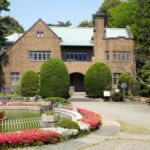
Sekiguchi Bashoan (Waseda, Tokyo)

Parks & GardensOchanomizu, Yushima, Korakuen

Sekiguchi Bashoan (Waseda, Tokyo)(Sekiguchi Basho-an Garden)

Matsuo Basho (sect of Zen Buddhism)

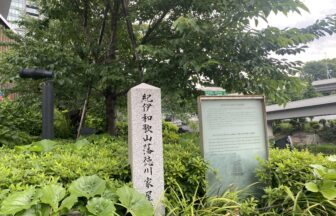
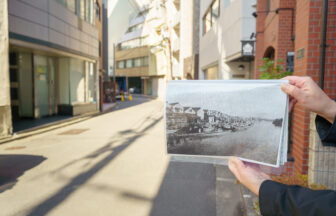
This is the land where Matsuo Basho, one of the most famous haiku poets of the Edo period, lived for three years from 1677 (Enpo 5). Before embarking on his famous journey to write “Oku no Hosomichi” (The Narrow Road to the Deep North), Basho is said to have been involved in the renovation of the Kanda Waterworks, and since he lived here for that purpose, a hermitage called “Ryugin-an” was built by people who admired Basho. The building was destroyed by fire, but was rebuilt after the war. The grounds are overgrown with more than 500 species of plants, including a large ginkgo tree that has remained from the time Basho lived here, and raccoon dogs are said to be present depending on the season. Hyotan-ike Spring has also been selected as one of the 57 best springs in Tokyo.

Spot OutlineOutline

address (e.g. of house) 2-11-3 Sekiguchi, Bunkyo-ku
Access 15 min. walk from Edogawabashi Subway Station

phone 03-3941-1145
Business Hours 10:00~15:00
regular closing day Monday, Tuesday
External Links

Official Web Site

Founding and opening of business 1726 (Kyoho 11)

新着・おすすめ情報

  1. What does “Namida (sushi)” mean?

  2. Shinobazunoike Pond Oratory, Kan-eiji Temple

  3. Ubukeya is a knife store specializing in kitchen knives, scissors, and hairpins. The ultimate “sharpening” that even makes a paper-cutting artist say, “It’s so sharp, I’m in trouble!

  4. Hikarimono (sushi)

  5. wafer

  6. Yagenbori Fudoin (Nihonbashi, Tokyo)

  7. brewer’s rice

  8. Founded in 1877, “Ningyocho Shinota Sushi” is a famous inari sushi restaurant. The secret of the long-loved taste

  9. Before the Edo period, “Dedication confectionery” was a top-quality confectionery made with white sugar.

  10. revitalization

  11. What are the roles of the “three courtesans”? What do each of them bring with them?

  12. Nihonbashi Kuroeya deals in lacquerware from all over Japan. Protecting the goodwill through innovation, not single-mindedness.

  13. semi-formal kimono for women

  14. Yamamoto Nori Store, a long-established business with 170 years of history. The birthplace of “seasoned laver” talks about its commitment to flavor.

  15. Seppuku monaka” and “Keikyuu monaka” …… “Shinshodou” produces wagashi that are both humorous and delicious.