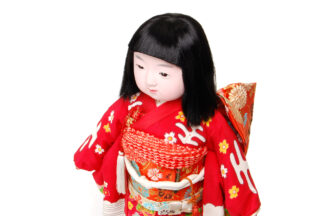


江戸元文年間に、京都・賀茂別雷神社に仕える高橋忠重が考案したとされている。木や桐塑(とうそ。桐の木の粉に糊を混ぜて作った粘土の一種)で人形の形を作り、そこに付けた刻み目(溝)に沿って、錦や綾、縮緬(ちりめん)などきらびやかな生地の端を押し込んで(木目込む)衣裳に見せている。節句人形や歌舞伎人形、干支人形などさまざまな題材がある。その技術が江戸に持ち込まれで発達したのが「江戸木目込人形」。現在では、東京都伝統工芸品、埼玉県伝統的手工芸品に指定されている。
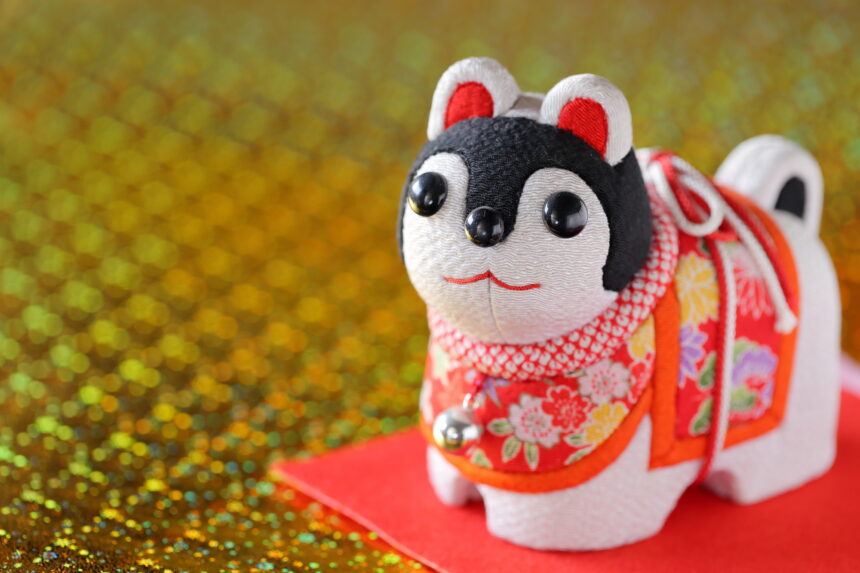
江戸元文年間に、京都・賀茂別雷神社に仕える高橋忠重が考案したとされている。木や桐塑(とうそ。桐の木の粉に糊を混ぜて作った粘土の一種)で人形の形を作り、そこに付けた刻み目(溝)に沿って、錦や綾、縮緬(ちりめん)などきらびやかな生地の端を押し込んで(木目込む)衣裳に見せている。節句人形や歌舞伎人形、干支人形などさまざまな題材がある。その技術が江戸に持ち込まれで発達したのが「江戸木目込人形」。現在では、東京都伝統工芸品、埼玉県伝統的手工芸品に指定されている。



Copyright © agatajapan. All Rights Reserved.