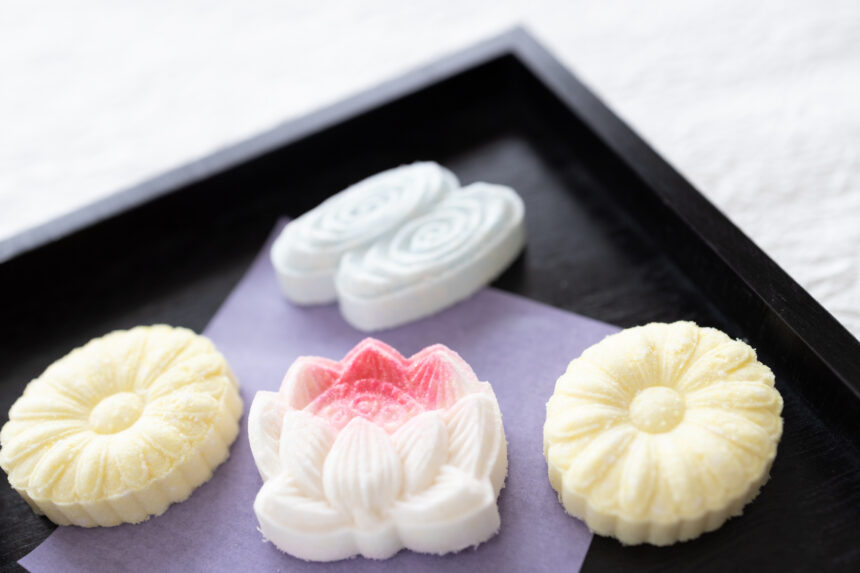
geese alighting

Japanese confectionery

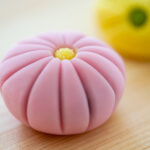
geese alighting(rakugan)

dried confectionaryforged weaponry (e.g. swords, spears, etc.)

Grains such as rice, azuki, soybeans, and buckwheat are milled, kneaded with sugar, syrup, etc., colored, and pressed into a wooden mold to dry. This dried confectionery is called “Uchimono.
There are various theories as to the origin of the name. One theory is that the white rice flour ground with black sesame sprinkled on it was made to resemble a flock of geese descending on snow, while another says that when a Chinese confection called “Nanrakukan” was introduced to Japan, the “soft” was omitted and the word “Rakugan” was added, and the character for “goose” was later applied.

新着・おすすめ情報

  1. Otomeyama Park (Takadanobaba, Tokyo)

  2. Explanation of the contents of “Yomeiri Dougu Arrangement” [Decorating Hina Dolls].

  3. cucumber sushi wrapped in nori (seaweed)

  4. Habutae mochi

  5. Ruins of Isamu Kondo’s birthplace (Chofu, Tokyo)

  6. end of the year

  7. Zenkokuji Temple (Kagurazaka, Tokyo)

  8. Manners for visiting shrines and temples: money offering, how to pray, how to get a red seal, etc.

  9. What are the characteristics of “Yamada-Nishiki” rice for sake brewing? Words related to sake

  10. Samurai dolls” for Dragon Boat Festival. When did they come to be displayed?

  11. What does a “hair dresser” do? Series of Craftsmen Who Make Dolls

  12. Kawaramachi Inari Shrine (Kitasenju, Tokyo)

  13. Meaning of “Unaju” and “Unadon”. What’s the difference?

  14. The name “Mokumegome doll” comes from the fact that the fabric is pressed into the shape of a doll.

  15. What is the origin of “May dolls” displayed on Dragon Boat Festival?