broiled eel

Eel, eel, conger eel, and doze eel

broiled eel(Eel kabayaki/unaginokabayaki)

loach or eel dipped and broiled in soy-based sauce

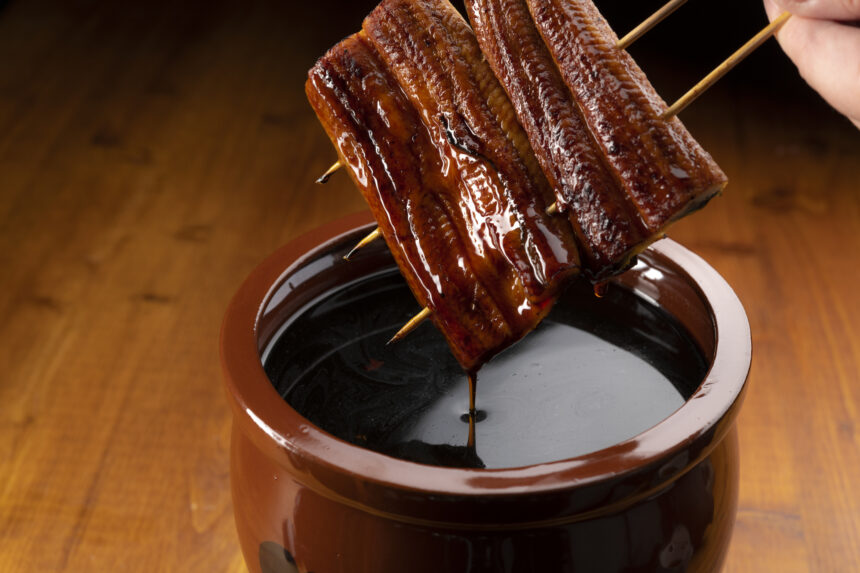
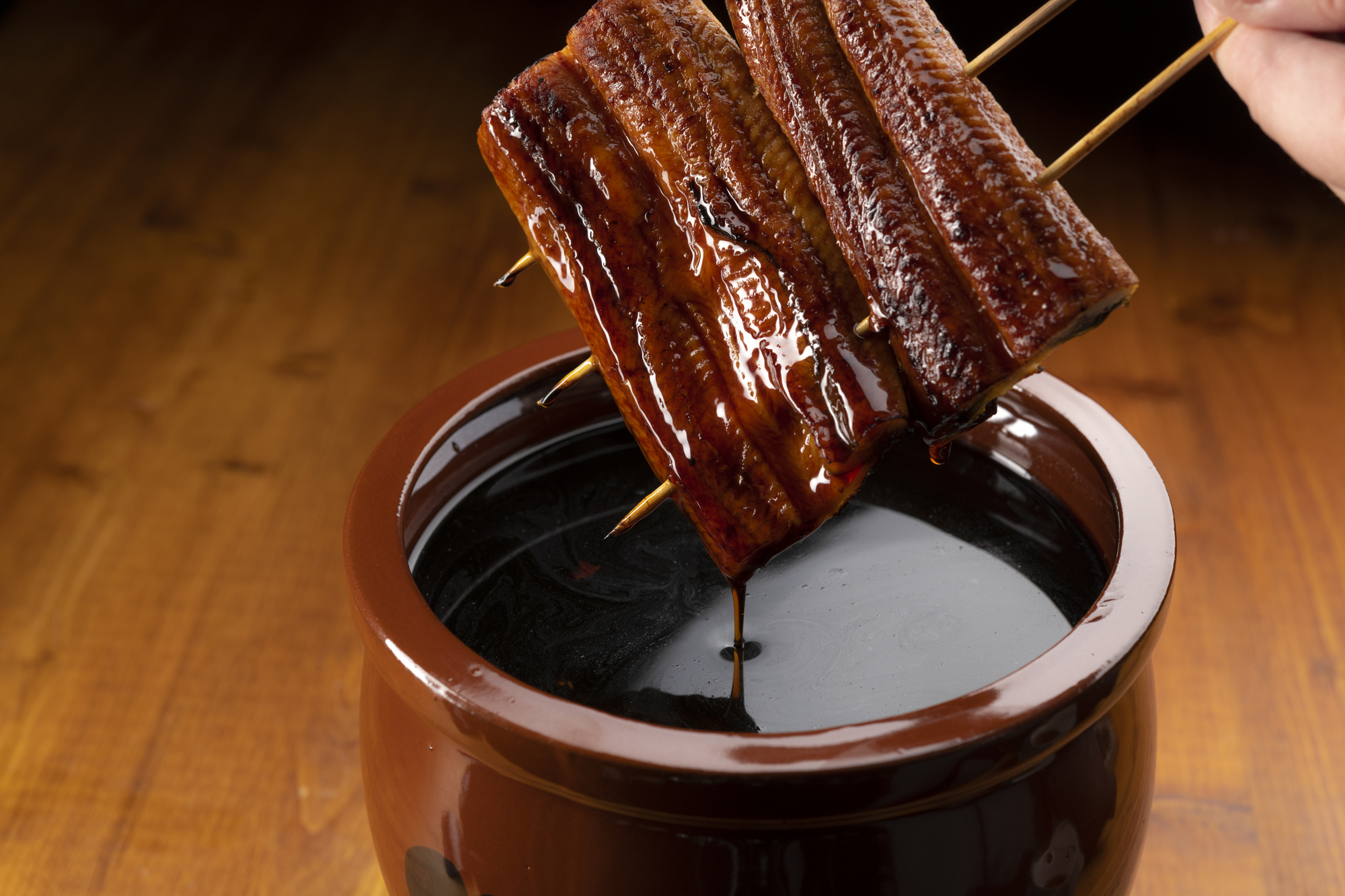
Eels are opened, gutted and deboned, and then grilled with a sweet and spicy sauce made of soy sauce and mirin (sweet cooking rice wine). The Kanto style involves a steaming process after opening the eel, while the Kansai style is characterized by grilling without steaming. It is said that in ancient times, eels were grilled on bamboo skewers without being opened, and the name “kabayaki” was derived from its resemblance to the ears of the perennial plant “kama” (kama). Another theory is that the name “kabayaki” was derived from the color of the grilled eel, which is birch-colored. The current style of broiling eels in an open pan is said to have started around the end of the Muromachi period (1336-1573), and by the late Edo period (1603-1867), it had spread among the townspeople, and many stores selling broiled eels lined the streets of Edo (present-day Tokyo).

新着・おすすめ情報

  1. Eating Doze soup every day to check the taste. The current owner of Komagata Dozeu, a famous restaurant that has been in business since the Edo period, demonstrates his commitment to preserving the taste of his products.

  2. He started helping out in the family business as a child and went on to become a part of it. Kimuraya Honten, Asakusa’s oldest doll-shaped yaki store

  3. make

  4. Metropolitan Takiyama Park, Ruins of Takiyama Castle

  5. refined Japanese sugar

  6. type of buckwheat noodles

  7. Types of “Hina Dolls.” What are the characteristics of their costumes?

  8. Koishikawa Korakuen

  9. Continuing to exist is a brand. What “Nihonbashi Saruya,” a toothpick specialty store, thinks a brand should be.

  10. Jiyu Gakuen Asutumu-kan (Ikebukuro, Tokyo)

  11. 【第17回】「田舎蕎麦」と「更科蕎麦」の違いとは

  12. Tama Cemetery (Fuchu, Tokyo)

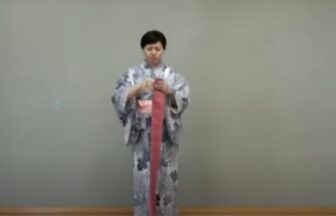
  13. You can do it yourself! How to Tie a Yukata Obi – Bunko Knot

  14. pongee (soft thin cloth woven from raw silk)

  15. ratio indicating the quantity of polished rice gained from a given quantity of brown rice (nowadays usually expressed as a percent)