New Year’s decorations

Other Traditional & Japanese Culture

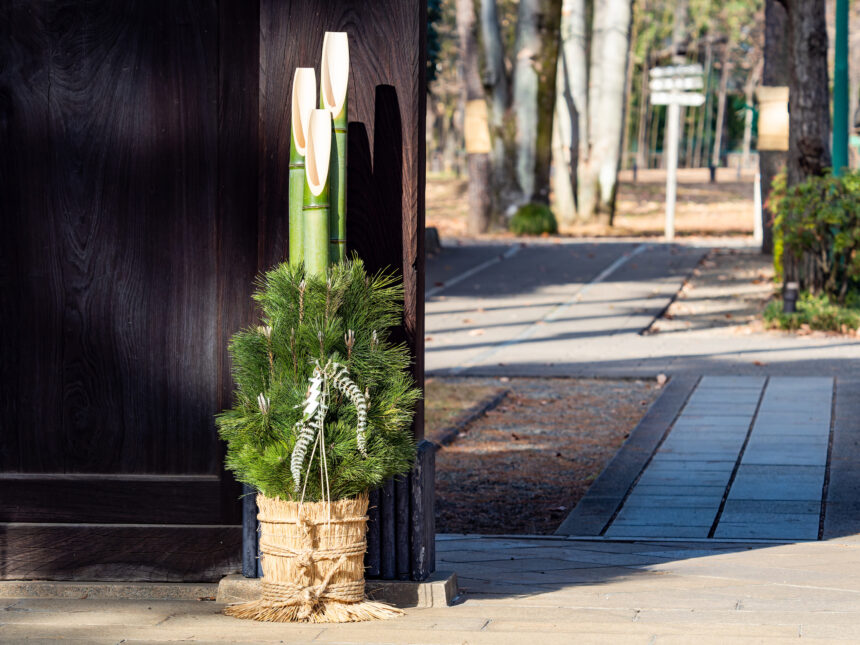
New Year’s decorations(shogatsukazari)

New Year

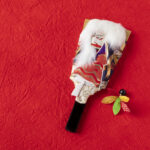
Decorations to welcome the god of the year at the beginning of the year to bring a bountiful harvest and happiness. Kadomatsu, shimenawa (sacred straw ropes), and rinne decorations are examples of such decorations. These decorations are also used to ward off evil spirits and wish for the child’s good health on the first day of the New Year. It was customary to present and decorate a hakkai for a boy’s first New Year’s gift and a hakoita for a girl’s. Decorations are usually begun in mid-December and put away by the following year’s koshogatsu (January 14-16), but some families keep the hakkai, hakkai arrow and hakoita displayed all year round to ward off evil and evil spirits.

新着・おすすめ情報

  1. Enjyoji Temple (Hakusan, Tokyo)

  2. Tsutanoya” was established in 1937 and supports Japan’s fish-eating culture with its delicious taste. What is “Kyoka-zuke”, an evolution of Saikyo-zuke?

  3. refined Japanese sugar

  4. What is the definition of “Honjozo”? Words related to Sake

  5. Sticking to domestically produced raw materials, each tooth is spun by hand. The commitment of the long-established “Juso Yakushi-ten” (Juso Yakushi Shop)

  6. Responding to customer requests leads to innovation. Leading dairy products company “Nakazawa Dairy Co.

  7. condition of health

  8. Old Furukawa Garden (Komagome, Tokyo)

  9. Nogi Shrine (Akasaka, Tokyo)

  10. Tokyo Literature Walk] No. 4: Cultural City of West Tokyo, from Seijo-Gakuen to Roka Koen

  11. To preserve traditional culture, we also consider the treatment of craftsmen. What does the long-established “Edoya” think of “succession”?

  12. Kiyosubashi Bridge (Kiyosumi-Shirakawa, Tokyo)

  13. Hoonji Temple (Kinshicho, Tokyo)

  14. straight sword

  15. end of the year