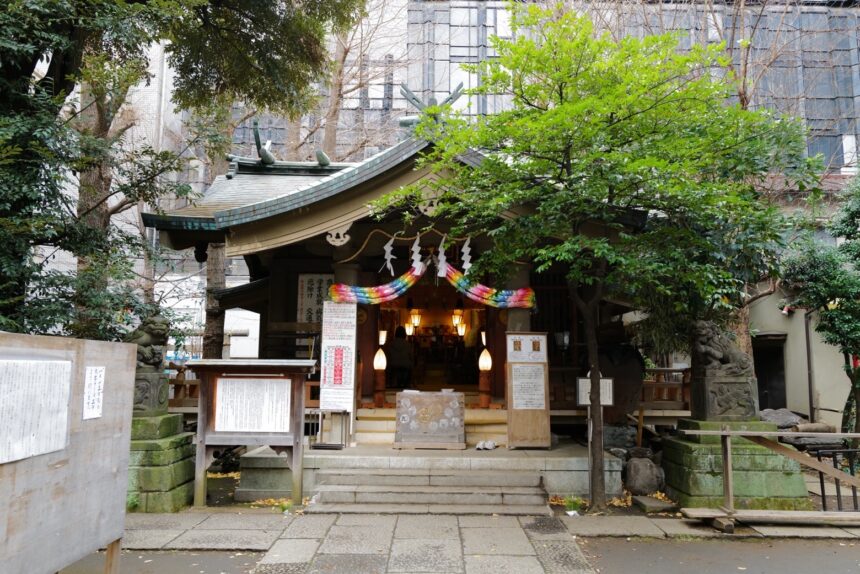
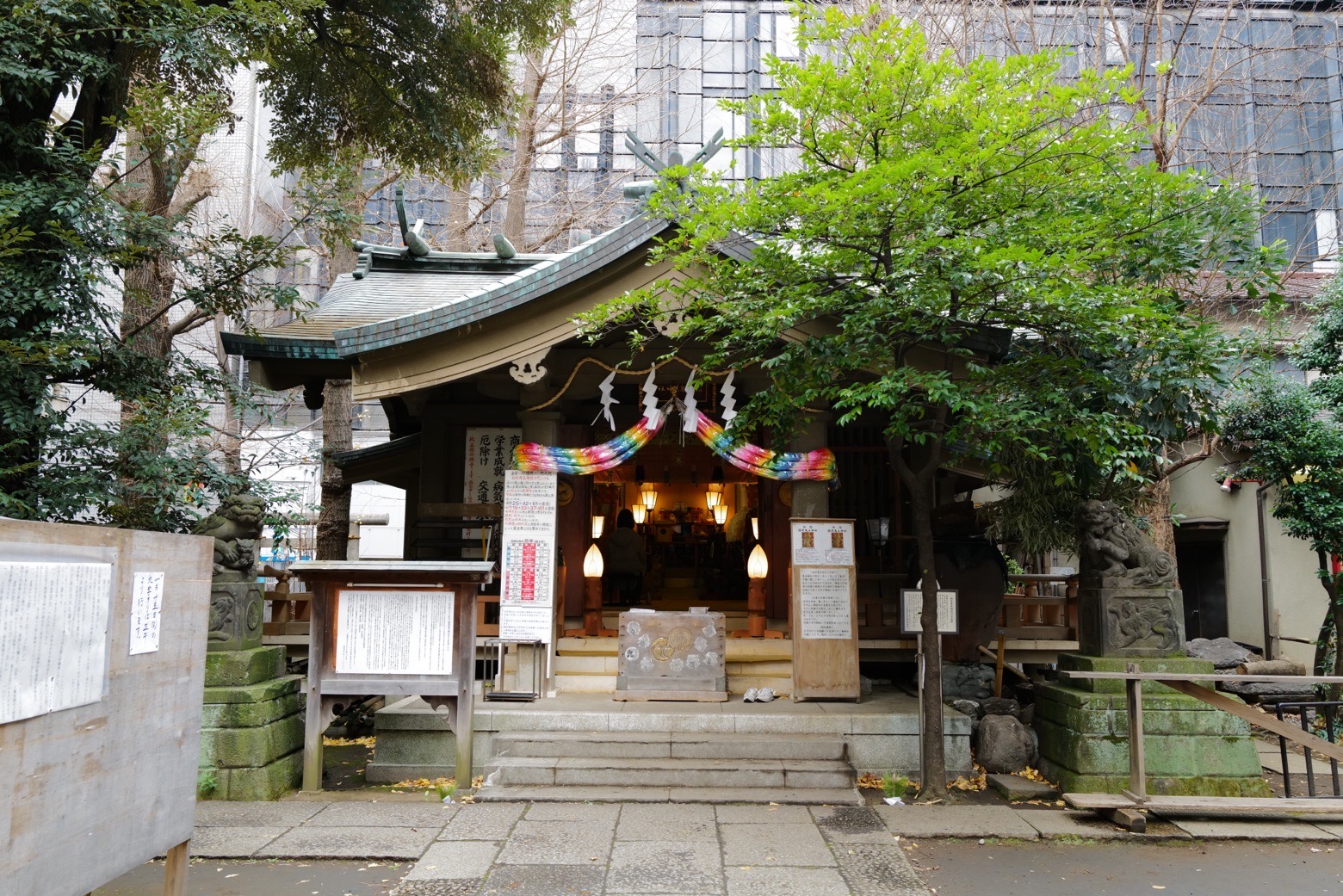
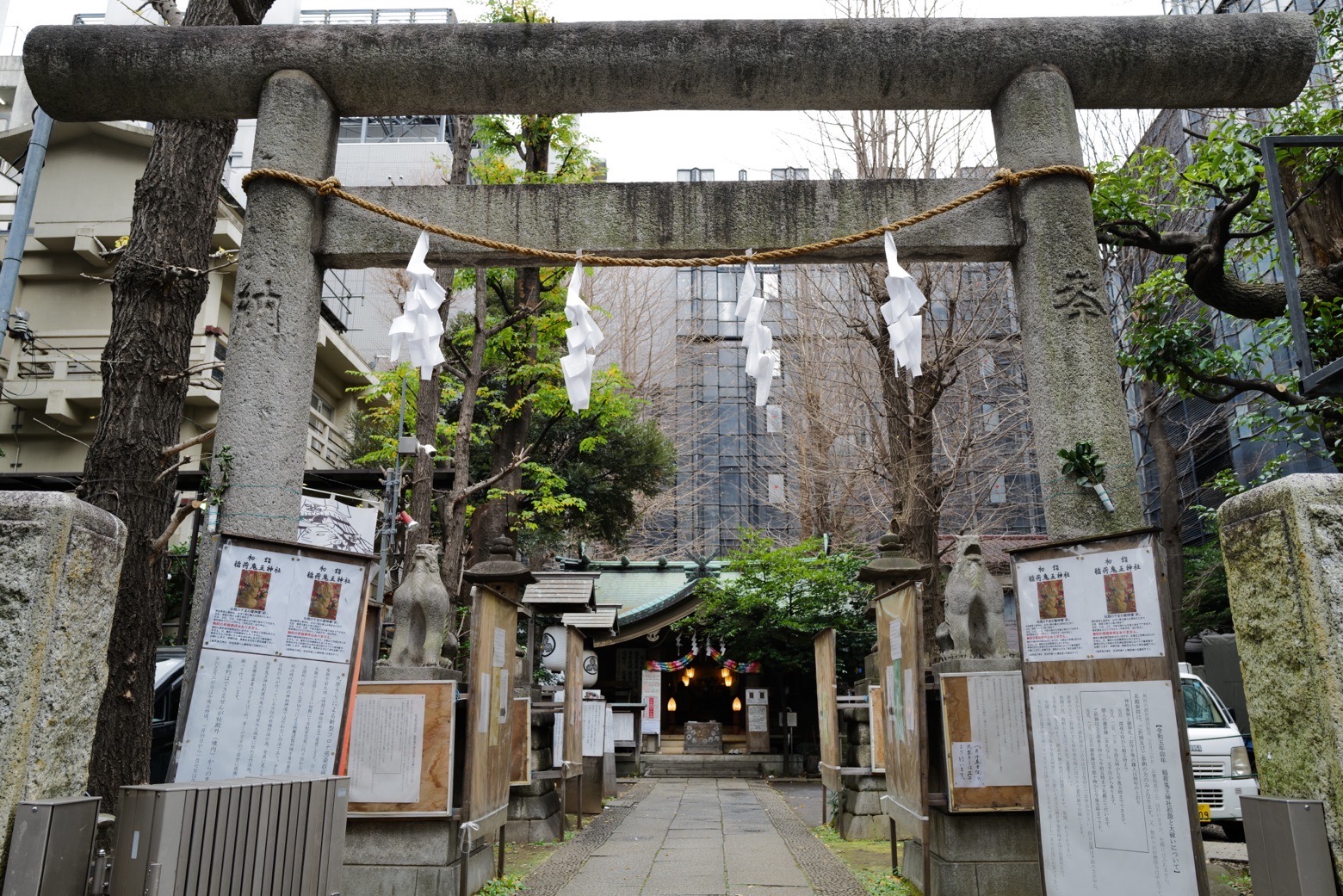
Inari Onio Shrine (Shinjuku, Tokyo)

Shinto shrineShinjuku, Nakano

Inari Onio Shrine (Shinjuku, Tokyo)(Inari Kiou Shrine)

vegetables pickled in sake leesSeven Gods of FortuneInari (god of harvests, wealth, fertility, etc.)

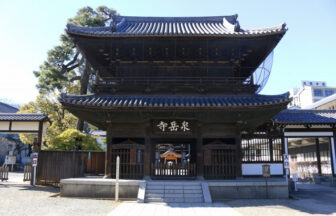
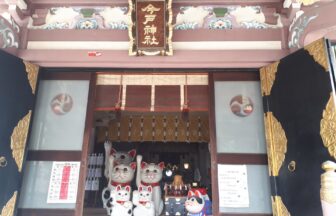
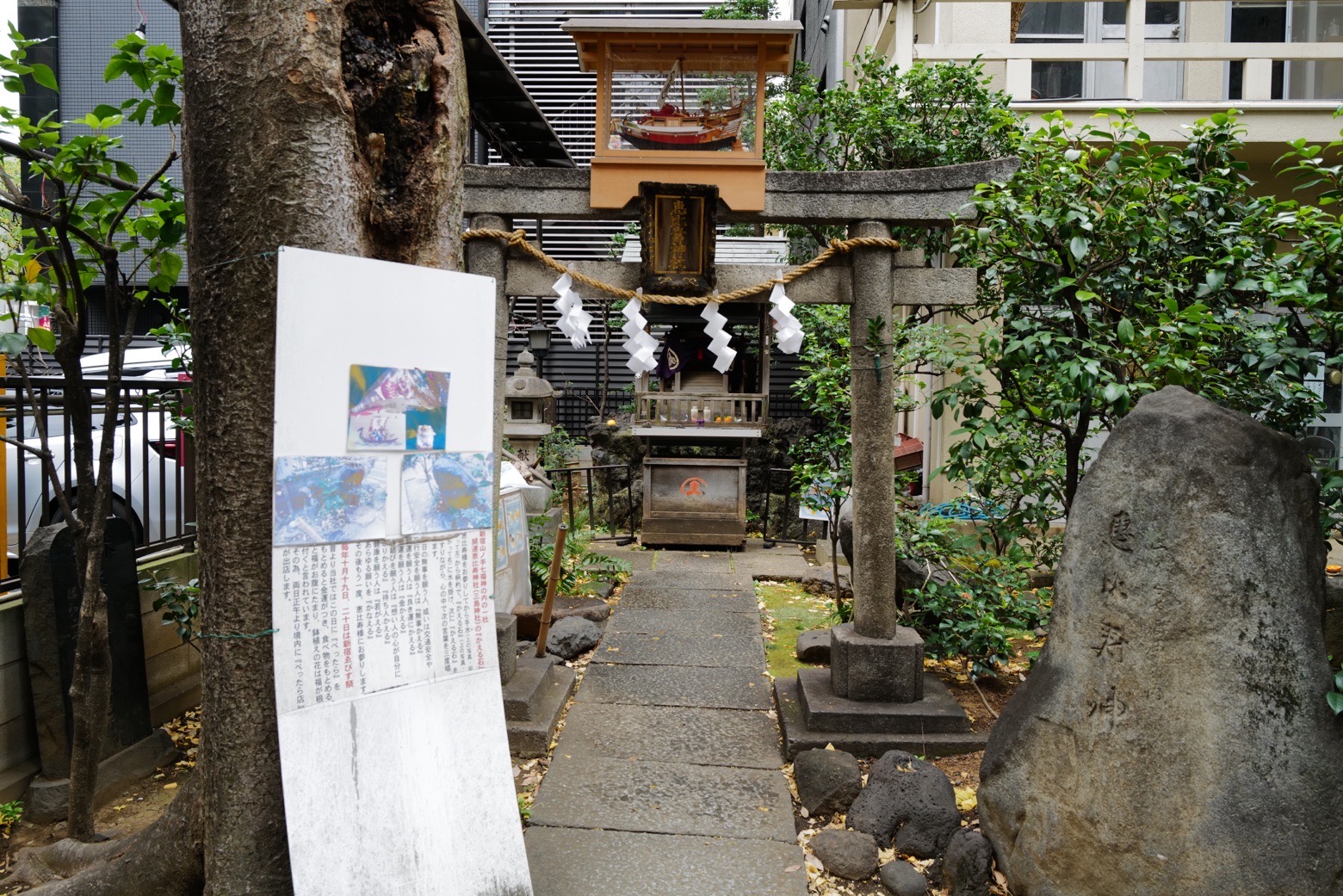
The only shrine in Japan with the name “Onio” (demon king) stands in downtown Shinjuku’s Kabukicho district. In 1832, Inari God, who was the clan deity of Okubo Village, and Onio Gongen, who was invited from Kumano, were enshrined together, and the shrine was worshipped as a shrine for the bestowal of blessings by demons. Onio-gongen is said to be effective in healing eczema, boils, and other illnesses. Mishima Shrine, enshrined in the precincts of the shrine, enshrines Kotoshironushi no Mikoto (Ebisu-sama) and is one of the “Seven Gods of Good Fortune in Shinjuku Yamanote. On October 19 and 20 every year, a betara festival is held in the precincts of the shrine, which is crowded with people buying betara-zuke (pickles).

Spot OutlineOutline

address (e.g. of house) 2-17-5 Kabukicho, Shinjuku-ku, Tokyo
Access 3 minutes from Higashi-Shinjuku Subway Station, 7 minutes from Seibu-Shinjuku Station on Seibu-Shinjuku Line

phone 03-3200-2904
Business Hours 9:00~17:00
Founding and opening of business 1832 (the 3rd year of Tempo)

新着・おすすめ情報

  1. Odai-ningyo” is a doll made of paulownia wood with a Gosho doll on top.

  2. marks indicating the Japanese meaning of the texts of Chinese classics

  3. neckpiece (on a kimono)

  4. dried confectionary

  5. A Walk in Edo with Old Maps] No.5: Traces of Edo Remain Strong in “Differences in Elevation” and “Town Names” in Ushigome and Ichigaya

  6. undershirt

  7. What is the alcohol content of sake “Harazake”? Words related to sake

  8. eel and cucumber salad, finely sliced, dressed in sake, soy, and vinegar

  9. National Diet Library International Library of Children’s Literature

  10. Kameido Tenjinja “Uso-Kae-Jinjitsu” (annual religious ceremony to exchange Japanese bullfinch bullfinch bullfinch birds)

  11. Monument to Kunikida Doppo (Mitaka, Tokyo)

  12. short sword

  13. Note that the contents of “soup” differ between kaiseki and kaiseki cuisine.

  14. type of informal katakana worn in the Edo period

  15. Shinjuku Gyoen